Ifejika joyce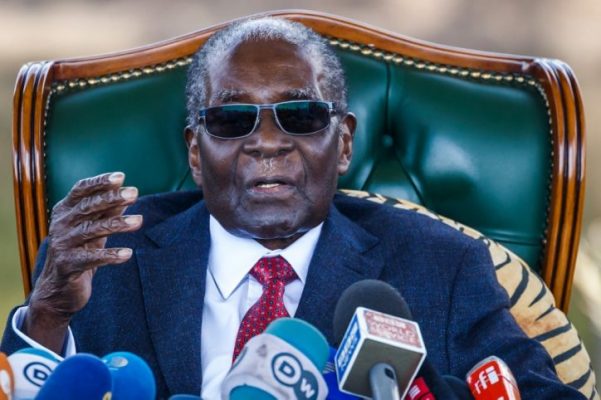
Zimbabwe will return dozens of foreign-owned farms seized more than two decades ago during its land reform drive, though officials insist the overall policy is not being reversed.
Agriculture Minister Anxious Masuka announced on Friday that the government will restore 67 farms that were protected by bilateral investment pacts “but which remained unoccupied” to investors from Denmark, Germany, the Netherlands, and Switzerland.
The original land seizures, launched by former President Robert Mugabe in 2000, saw thousands of white farmers evicted in a redistribution effort aimed at addressing colonial-era injustices. However, the policy led to international sanctions and significant economic isolation.
Under the new directive, more than 400 white farmers will be permitted to buy back all or part of their former properties, and another 840 farms belonging to black Zimbabweans will be restored to their original owners.
Despite these concessions, Masuka emphasized that the broader land reform remains a cornerstone of the nation’s identity. He stated that “land was a core grievance against the heinous and minority settler oppressive regime,” and noted that the struggle was fought to “liberate ourselves from the shackles of oppression.”
He further declared that “now the people are with their land and the land with its masters. Land reform is, therefore, irreversible.”
Critics and activists have questioned the move, with some describing it as political flip-flopping. Social justice activist Tendai Mbofana remarked that the policy is “characterised by a jarring disconnect between its revolutionary rhetoric and its pragmatic concessions.”
While President Emmerson Mnangagwa previously agreed to a $3.5 billion compensation deal for evicted commercial farmers in 2020, the country’s $21 billion debt has made honoring that commitment difficult. This latest shift appears to be part of an effort to repair relations with Western creditors as Zimbabwe continues to grapple with chronic food shortages in what was once considered the region’s breadbasket.


 Chidiogo asuke