Ugamatv
A retired investment banker, Victor Ogiemwonyi, has projected that the economic hardship currently facing Nigerians as a result of ongoing reforms by the administration of President Bola Tinubu will begin to ease within the next two years.
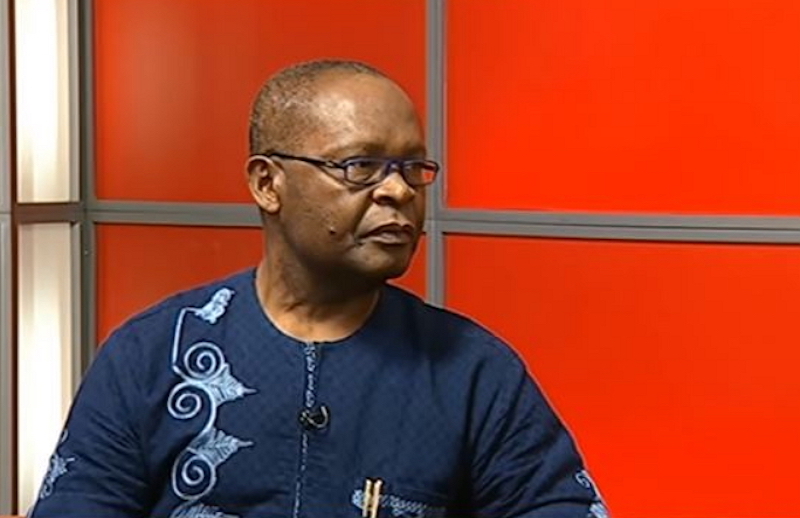
Speaking on Arise Television’s Morning Show on Monday, Ogiemwonyi described the reforms as long overdue, noting that their delay in previous years worsened the present consequences.
He emphasized that the removal of fuel subsidy and the unification of the exchange rate were critical decisions successive governments failed to take.
“These are reforms that should have taken place several years ago. When you delay a decision, the consequences are going to be different, and that is what we are seeing. In 2014, subsidy removal came up, but the government then did not have the strength to take the right decision and explain to the people,” he said.
Ogiemwonyi maintained that despite the pain Nigerians are currently enduring, the economy is already showing signs of recovery.
He cited the drop in inflation from 30% to 22%, comparing Nigeria’s situation with the United States, where it took President Joe Biden over three years to bring inflation under control.
On foreign exchange, he commended the current relative stability of the naira, stressing the importance of stronger foreign reserves and improved productivity.
“For over 15 years, we were propping up the naira with reserves that should have gone into building confidence in our economy. Strong reserves and productivity are key to sustaining the naira. Countries with strong currencies, like Singapore, have huge reserves and high productivity. Nigeria must do the same,” he added.
Responding to critics who accused him of backing government policies and aligning with the International Monetary Fund (IMF), Ogiemwonyi clarified that his support is for “sensible economics.”
“Nigerians are going to suffer a little while more, but in about two years, we will start seeing things turn around. We are already seeing signs in balance of payments and government revenues going up. These are decisions that should have been made long ago,” he said.


 Chidiogo asuke