Admin
Admin

Foreign Direct Investment into the country dropped to $214.25m in the first quarter of 2020 from $257.25m in the fourth quarter of 2019.
The National Bureau of Statistics disclosed this in its report on ‘Nigerian capital importation’ for the first quarter of 2020 on Tuesday.
According to the NBS, the FDI which stood at $247.37m in Q1 2019, fell to $223.14m and $206.58m in Q2, 2019 and Q3, 2019 respectively.
The FDI is an investment made by a firm or individual in one country into business interests located in another country.
The total value of capital importation into Nigeria rose to $5.9bn in the first quarter, according to the NBS.
This represented an increase of 53.97 per cent compared to Q4 2019 and 31.19 per cent decline compared to the first quarter of 2019.
The largest amount of capital importation by type was received through portfolio investment, which accounted for 73.61 per cent ($4.3bn) of the total capital importation.
This was followed by other investments, which accounted for 22.73 per cent ($1.33bn) of total capital, and the FDI which accounted for 3.66 per cent ($214.25m) of total capital importation in Q1 2020.
By sector, capital importation by banking industry dominated Q1 2020, reaching $2.99bn of the total capital importation in Q1 2020.
The United Kingdom emerged as the top source of capital investment in Nigeria in Q1 2020 with $2.9bn.
This accounted for 49.68 per cent of the total capital inflow in Q1 2020.
By destination of investment, Lagos State emerged as the top destination of capital investment in Nigeria in Q1 2019 with $5,135.49m.
This accounted for 87.72 per cent of the total capital inflow in Q1 2020.
By bank, the Standard Chartered Bank Nigeria Limited emerged as the top channel of capital investment in Nigeria in Q1 2020 with $1.65bn.
This accounted for 28.30 per cent of the total capital inflow in Q1 2020.
Every foreigner investing in a local business in Nigeria is by law required to procure a Certificate of Capital Importation on the inflow of foreign currency or raw materials or equipment imported into Nigeria.
The certificate is issued by a Nigerian bank, confirming an inflow of foreign capital either in the form of cash (loan or equity) or goods.

 Chidiogo asuke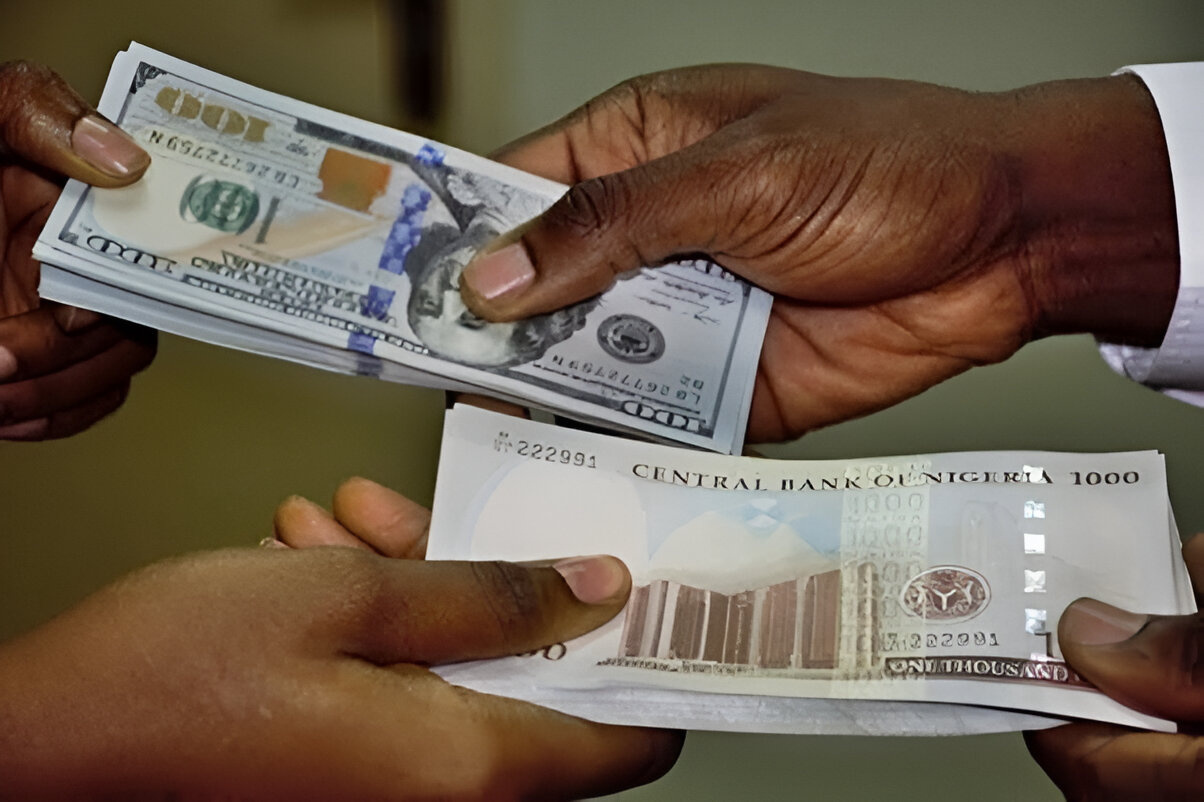
 Precious Chukwuwa