Precious Chukwuwa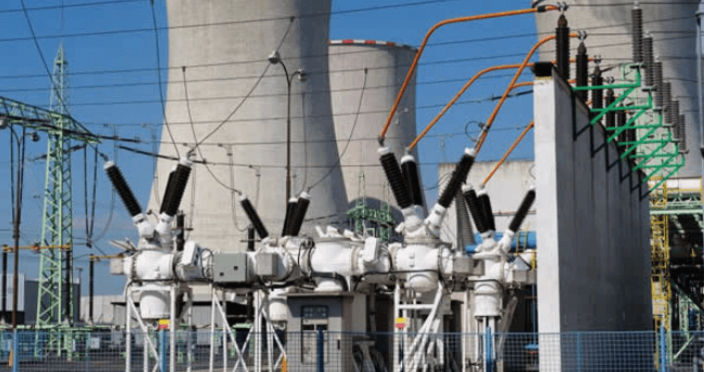
The Nigerian Independent System Operator (NISO) has attributed the persistent drop in electricity supply across the country to inadequate gas deliveries to power generation companies (GenCos).
According to NISO, Nigeria’s power plants are currently producing an average of about 4,300 megawatts (MW), largely due to insufficient gas supply. The operator explained that thermal power stations make up the bulk of the nation’s generation capacity, meaning any disruption in gas availability has a direct and significant impact on total electricity output and grid performance.
As a result, NISO noted that the volume of electricity allocated to Distribution Companies (DisCos) reflects the limited energy currently available on the national grid.
Providing operational data, the system operator disclosed that thermal plants require approximately 1,629.75 million standard cubic feet (MMSCF) of gas per day to function at optimal levels. However, as of February 23, 2026, actual gas supply stood at about 692.00 MMSCF per day — less than 43 percent of the required volume.
The shortfall, NISO said, has severely constrained generation capacity and is the primary reason for the reduced electricity being transmitted to DisCos nationwide.
In its statement, NISO further explained that whenever overall system generation drops sharply, it is compelled to implement load shedding to safeguard the grid. Available electricity is then distributed in line with the allocation percentages set by the Nigerian Electricity Regulatory Commission (NERC) under the Multi-Year Tariff Order (MYTO) framework to maintain system stability and avoid grid collapse.
While expressing regret over the inconvenience to consumers and market participants, NISO assured that it is collaborating with relevant stakeholders to restore full energy allocation once gas supply improves and generation capacity rebounds.


 Chidiogo asuke