Precious Chukwuwa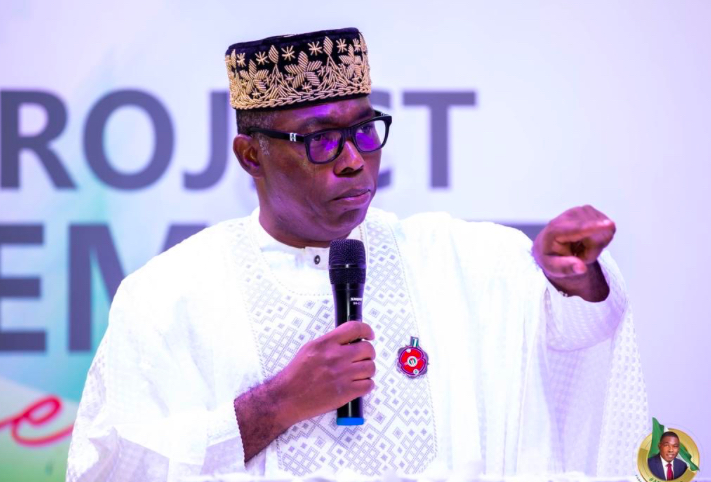
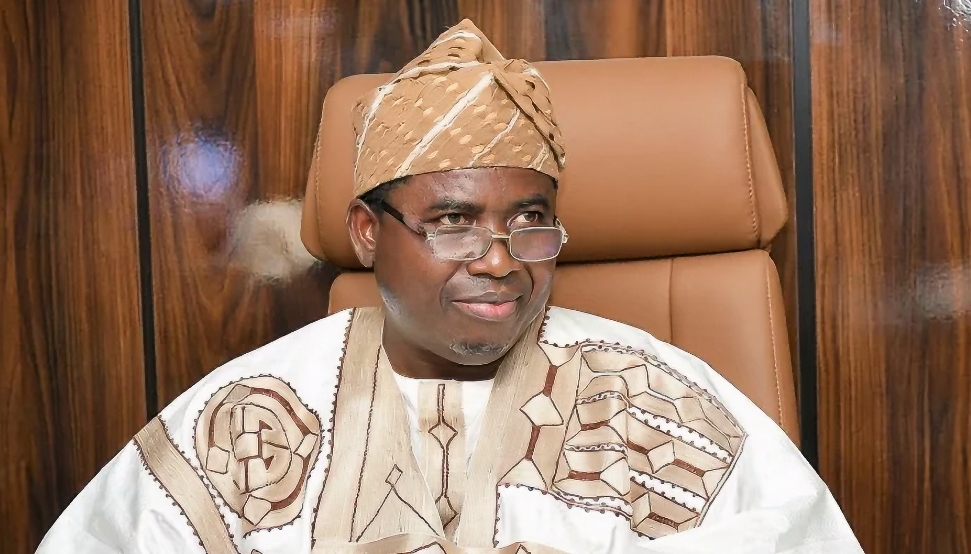
Former presidential candidate of the Social Democratic Party, Adewole Adebayo, has faulted the recent amendments to the Electoral Act signed into law by President Bola Tinubu, describing the development as a setback for democratic accountability and openness.
Posting on his verified X handle, @Pres_Adebayo, the SDP chieftain accused the Federal Government of creating room for irregularities by weakening the legal requirement for electronic transmission of election results.
Adebayo argued that although electronic transmission has not been scrapped entirely, the revised provisions of the 2022 Electoral Act now make it optional rather than compulsory — a change he believes could compromise the credibility of future polls.
He said that what ought to be mandatory real-time transmission has been left to discretion, warning that such flexibility creates loopholes that could undermine public confidence in the electoral system.
According to him, once electronic transmission is no longer compulsory, manual collation naturally becomes the default method, thereby increasing the possibility of manipulation and reducing transparency in the process.
The former presidential hopeful described the amendment as a direct assault on Nigeria’s democratic progress, alleging that the administration is deliberately weakening safeguards meant to ensure credible elections. He further claimed that the changes contradict the sacrifices made by past generations to entrench democracy in the country.
Adebayo maintained that Nigeria should be moving towards full electronic voting rather than scaling back technological protections. He noted that Nigerians already depend on digital systems in banking, commerce and communication, questioning why similar confidence should not extend to safeguarding electoral votes.
He stressed that real-time electronic transmission ensures proper documentation, verification and accountability, all of which are essential for trust in the electoral process.
Despite the passage of the amended law, Adebayo urged Nigerians to remain vigilant and continue advocating for transparency and fairness in elections.
The amendments have since generated mixed reactions among political actors and civil society organisations, with critics warning that the revised provisions could affect public trust ahead of the 2027 general elections.


 Ifejika joyce