Ifejika joyce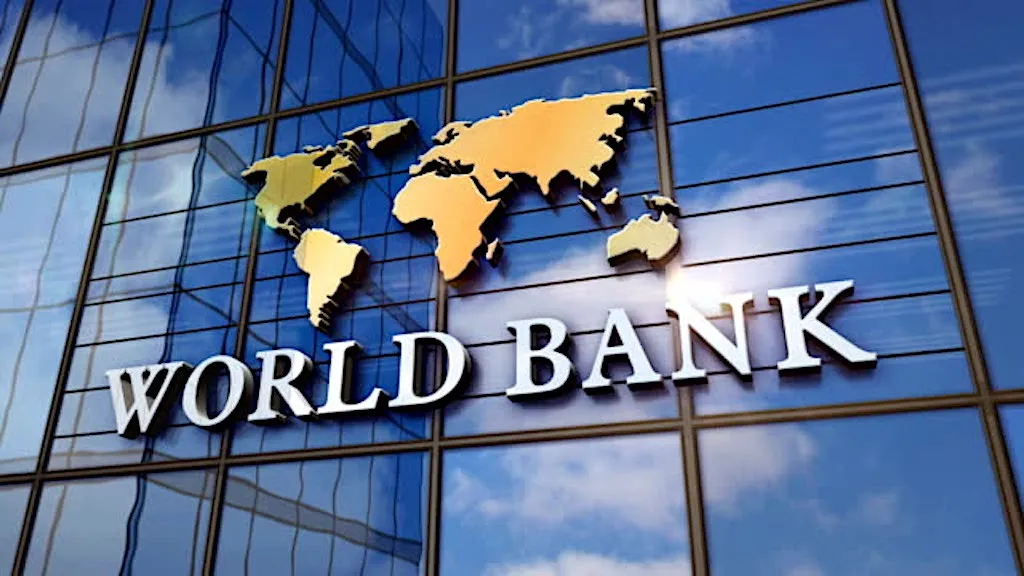
The World Bank has lowered its economic growth projection for Nigeria to an average of 4.1% in 2026, down from the 4.4% forecast it issued in October 2025.
The global lender also revised its 2027 projection downward to 4.2%, while setting the initial growth forecast for 2028 at 4.3%.
In its April 2026 Africa Economic Update, titled “Making Industrial Policy Work in Africa,” the bank noted that while macroeconomic conditions are becoming more stable and investment is gradually recovering, structural constraints continue to hinder faster expansion.
The services sector, particularly ICT, finance, and real estate, is expected to remain the primary engine of Nigeria’s growth, while the agriculture and industrial sectors are projected to expand at a slower pace. Inflation is expected to trend downward, falling from 23% in 2025 to 14.9% in 2026 and further easing to 10.7% by 2028.
This decline reflects the lagged impact of recent policy tightening and improved supply conditions; however, the World Bank warned that poverty levels remain elevated and may decline only gradually due to high fuel prices linked to ongoing global conflicts.
While rising oil prices could bolster fiscal and external balances, several factors continue to threaten the growth momentum. These include commodity price volatility, tighter global financial conditions, persistent security concerns, and capital flow volatility. Furthermore, policy uncertainty in the lead-up to the 2027 general elections remains a significant concern for the country’s economic stability.
Economic activity across Sub-Saharan Africa is projected to grow by 4.1% in 2026, a figure unchanged from the 2025 estimate but a 0.3 percentage point downgrade from previous projections. Nigeria is among several major economies in the region, including South Africa, Angola, and Kenya, that saw their 2026 forecasts revised downward.
Despite these adjustments, the World Bank observed that many countries in the region are benefiting from improved macroeconomic stabilization, better inflation control, and stronger domestic currencies, which are helping to support private consumption and investment.


 Precious Chukwuwa