Ugamatv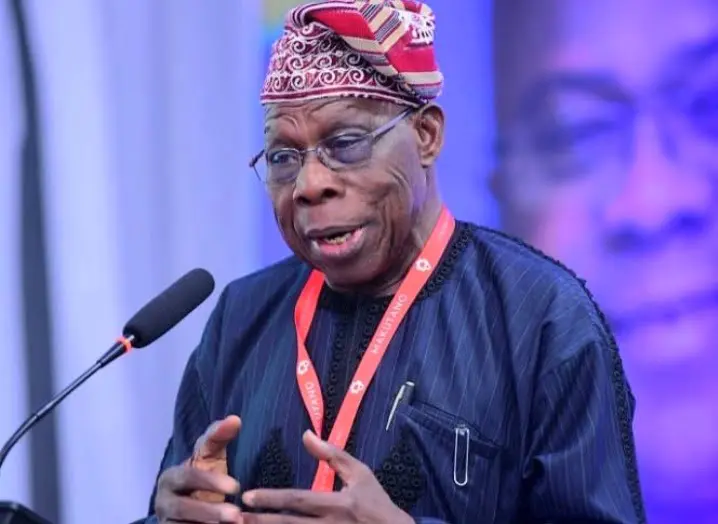
Former President Olusegun Obasanjo has stressed that Nigeria needs principled and responsible operators of the constitution—not a perfect constitution—to achieve good governance and safeguard the welfare of its citizens.
Obasanjo made the remarks in Abuja at the opening of a three-day National Summit on the Future of Nigeria’s Constitutional Democracy, organized by The Patriots in collaboration with the Nigeria Political Summit Group.
Represented by the Secretary-General of Eminent Patriots, Mr. Olawale Okunniyi, Obasanjo said that while constitutional amendments are necessary, no constitution, regardless of how well-drafted, can function effectively without capable and ethical leaders.
“No constitution is perfect. But the most critical element is the quality of those who operate it,” Obasanjo said. “Even the best constitution can be subverted by selfish, corrupt, and unprincipled operators. This is what we’ve witnessed across Africa, and Nigeria is no exception.”
He warned that unless Nigeria’s political leadership changes its approach, the constitution—however amended—would remain ineffective in protecting the rights and wellbeing of the people.
> “For over a decade and a half, governance has been sacrificed on the altar of selfishness, impunity, corruption, and utter disregard for constitutional principles. At this crucial time, the focus must shift to the operators of the system,” he emphasized.
1999 Constitution Not People-Centered — Attah
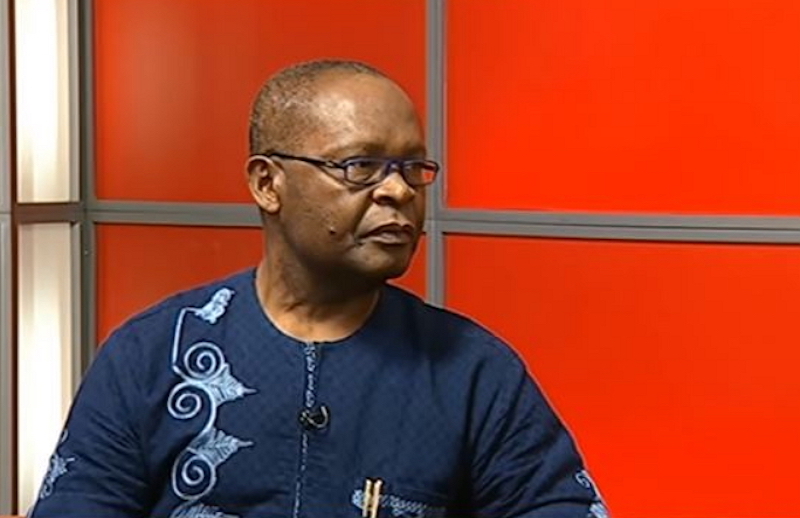
Also speaking at the summit, former Akwa Ibom State Governor Obong Victor Attah—whose speech was also read by Okunniyi—described the 1999 Constitution as a “military decree” that was imposed on Nigerians without their consent.
He argued that the document failed to reflect the sovereignty of the people and deviated from the foundational structure of true federalism.
“The 1963 Constitution remains the last legitimate expression of the people’s collective will,” Attah said. “The 1999 Constitution robbed citizens of their sovereignty and laid the foundation for Nigeria’s current dysfunction.”
Attah called for an immediate return to a functional federal system that grants maximum autonomy to federating units, reduces the cost of governance, and ensures true representation.
“We, from the South-South, stand with other regions calling for urgent restructuring based on justice, equity, and mutual consent,” he added. “If we miss this opportunity, we risk heading toward irreversible fragmentation.”
Gbenga Daniel: Summit Is Citizens’ Constitutional Intervention
In his address, Senator Gbenga Daniel, Co-Chairman of the summit’s Organising Committee, described the gathering as a citizen-driven response to the growing national demand for a new constitutional framework.
“This summit reflects years of public advocacy and the need for structural reform. The 1999 Constitution has failed to address key issues around governance, equity, and national cohesion,” said Daniel, who also chairs the Senate Committee on Navy.
He outlined key focus areas of the summit, including:
The structure of the Nigerian federation
Local government and traditional institution reforms
Resource control and fiscal federalism
Electoral and judicial reforms
National security
Citizenship rights and responsibilities
Daniel emphasized inclusivity, urging youth, women, civil society, and traditional leaders to actively participate in shaping Nigeria’s future.
“This is a multi-generational, multi-regional initiative. No voice is too small; no group will be left behind,” he said.
He assured that all resolutions and proposals will be carefully compiled and forwarded to the Presidency and National Assembly for consideration.
“Our goal is not confrontation, but collaboration. We want to work with our leaders to build a more just and inclusive Nigeria through a constitutional framework that reflects the aspirations of all Nigerians.”


 Chidiogo asuke