Chisom Orjiogbu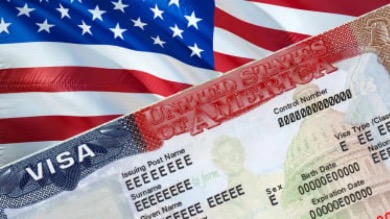
The United States has rolled out tougher immigration measures by widening its visa bond programme, requiring travellers from 50 countries — including Nigeria — to pay a deposit of up to $15,000 before entering the country.
According to an announcement from the United States Department of State, the policy will begin on April 2, 2026. It applies to people applying for B1/B2 visas, which are issued for business trips and tourism.
Under the policy, applicants from the affected countries will be asked to provide a refundable bond. The money will only be returned if they follow all visa rules, especially leaving the United States before the approved period of stay ends.
U.S. authorities say the move is part of ongoing efforts to address the problem of visa overstays, which has been a long-standing issue within the country’s immigration system.
Officials noted that early results from the programme appear encouraging. They reported that around 97 percent of participants have complied with the conditions of their visas, which is an improvement compared with previous years when overstay cases were higher.
With the latest update, the number of countries affected by the policy has increased to 50 after 12 additional nations were added. A large share of these countries are located in Africa, which U.S. officials classify as higher-risk categories for visa overstays.
The bond requirement will range from $5,000 to $15,000 depending on how each applicant is assessed, effectively adding another financial screening step to the visa application process.
Although the deposit is refundable, some critics believe the amount may create financial difficulties for travellers from developing nations, raising questions about fairness and equal access to international travel opportunities.
Despite these concerns, U.S. officials have defended the measure, describing it as a cost-saving approach. They explained that removing an undocumented migrant from the country can cost more than $18,000 per case, suggesting that the bond system could lower enforcement expenses and reduce the burden on taxpayers.
As one of the countries included in the list, citizens of Nigeria will be affected by the stricter visa requirements under the expanded programme.


 Ifejika joyce
 Chidiogo asuke