Precious Chukwuwa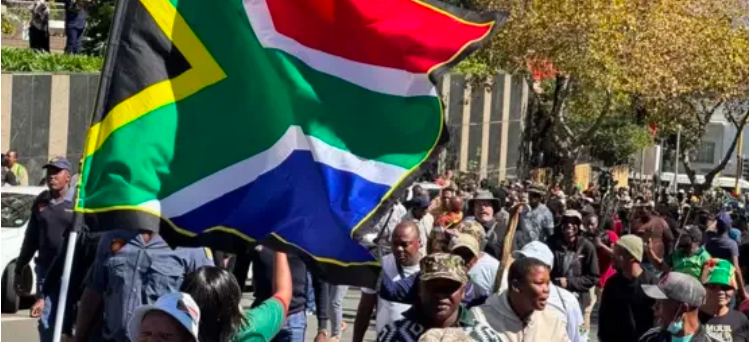
The Federal Government of Nigeria has intensified diplomatic engagement with South Africa following renewed anti-foreigner protests in parts of the country, raising concerns over the safety of Nigerians living there.
Nigeria’s action comes after South Africa’s Acting High Commissioner was summoned to the Ministry of Foreign Affairs in Abuja, where officials expressed deep concern over reports and videos showing demonstrations calling for the removal of foreign nationals.
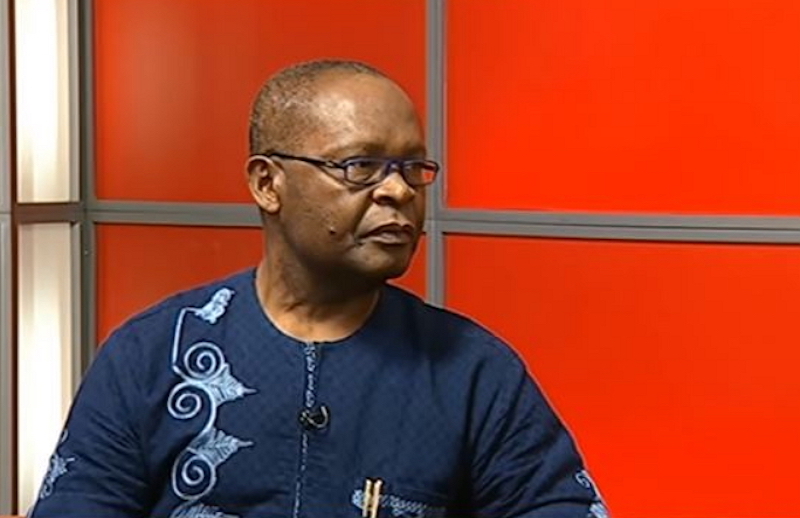
Speaking after the meeting, the spokesperson for the Ministry of Foreign Affairs, Kimiebi Ebienfa, described the situation as troubling, noting that such developments could threaten the long-standing relationship between Nigeria and South Africa.
He revealed that beyond the protests, Nigeria had also demanded investigations into the deaths of two Nigerians in separate incidents in April, reportedly involving security personnel. One was said to have died in detention, while another allegedly lost his life after suffering injuries from an assault.
Ebienfa stressed that the safety and wellbeing of Nigerians abroad remains a top priority, adding that the government has requested regular updates from South African authorities on both cases.
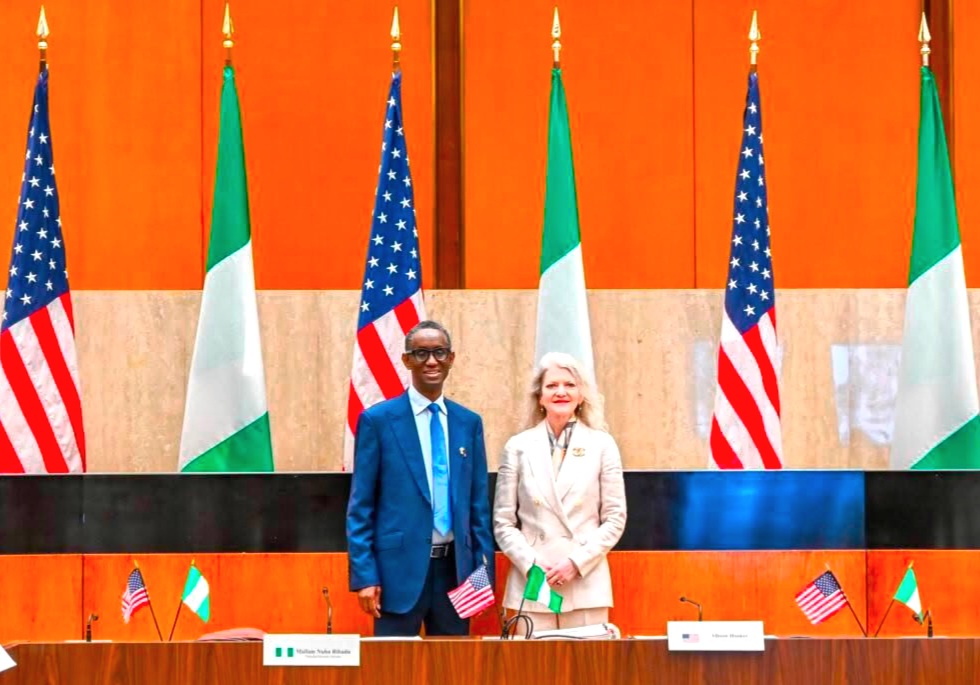
As part of efforts to prevent further escalation, Nigeria is pushing for the swift implementation of a newly agreed bilateral early warning framework designed to detect rising tensions and encourage prompt intervention before situations spiral out of control.
According to Nigerian officials, the mechanism will improve communication, intelligence sharing, and coordinated action between both countries in managing social and security concerns.
Nigeria has also urged South African authorities to address hostile rhetoric and activities by groups accused of fueling anti-foreigner sentiments, warning that inflammatory messaging could trigger violence.
Meanwhile, anxiety is growing within the Nigerian community in South Africa, with reports indicating that more than 100 Nigerians have expressed willingness to return home voluntarily if conditions worsen.
The Federal Government says it will continue to monitor developments closely and remains committed to taking necessary diplomatic steps to protect its citizens while preserving peaceful relations between both African nations.
The Federal Government of Nigeria has intensified diplomatic engagement with South Africa following renewed anti-foreigner protests in parts of the country, raising concerns over the safety of Nigerians living there.
Nigeria’s action comes after South Africa’s Acting High Commissioner was summoned to the Ministry of Foreign Affairs in Abuja, where officials expressed deep concern over reports and videos showing demonstrations calling for the removal of foreign nationals.
Speaking after the meeting, the spokesperson for the Ministry of Foreign Affairs, Kimiebi Ebienfa, described the situation as troubling, noting that such developments could threaten the long-standing relationship between Nigeria and South Africa.
He revealed that beyond the protests, Nigeria had also demanded investigations into the deaths of two Nigerians in separate incidents in April, reportedly involving security personnel. One was said to have died in detention, while another allegedly lost his life after suffering injuries from an assault.
Ebienfa stressed that the safety and wellbeing of Nigerians abroad remains a top priority, adding that the government has requested regular updates from South African authorities on both cases.
As part of efforts to prevent further escalation, Nigeria is pushing for the swift implementation of a newly agreed bilateral early warning framework designed to detect rising tensions and encourage prompt intervention before situations spiral out of control.
According to Nigerian officials, the mechanism will improve communication, intelligence sharing, and coordinated action between both countries in managing social and security concerns.
Nigeria has also urged South African authorities to address hostile rhetoric and activities by groups accused of fueling anti-foreigner sentiments, warning that inflammatory messaging could trigger violence.
Meanwhile, anxiety is growing within the Nigerian community in South Africa, with reports indicating that more than 100 Nigerians have expressed willingness to return home voluntarily if conditions worsen.
The Federal Government says it will continue to monitor developments closely and remains committed to taking necessary diplomatic steps to protect its citizens while preserving peaceful relations between both African nations.


 Chidiogo asuke