Tochukwu Chukwu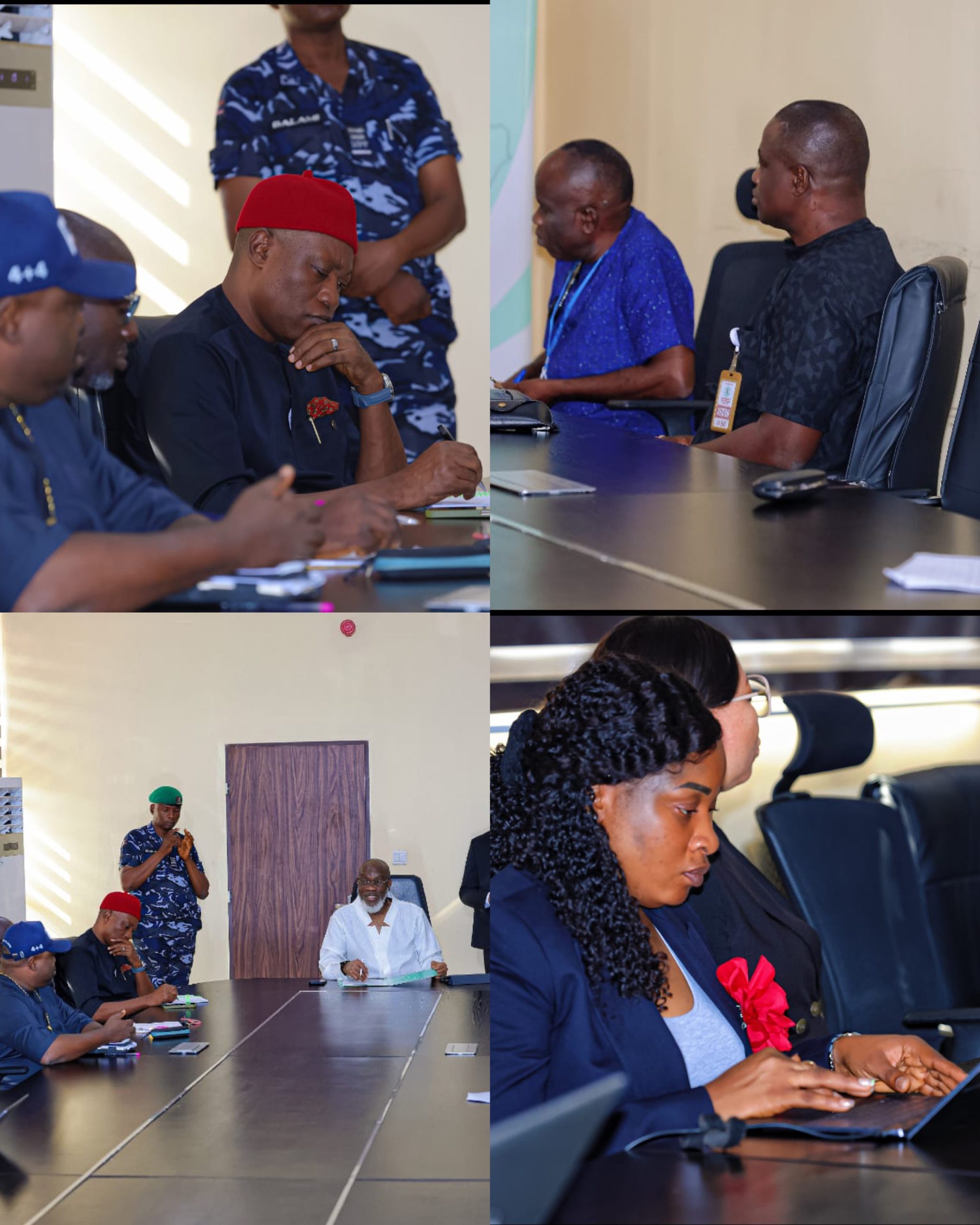
Enugu State Governor, Dr. Peter Mbah, has inaugurated a nine-man committee to undertake a comprehensive review of all state-controlled taxes, levies, and revenue policies as part of ongoing reforms to strengthen transparency, fairness, and efficiency in the state’s revenue ecosystem.
The committee, inaugurated on Friday at Government House, Enugu, is chaired by the Solicitor-General of the state, Ikechukwu Ezenwukwa, with the Senior Special Assistant to the Governor on Revenue Mobilisation, Adenike Okebu, as secretary. Members are drawn from government institutions, organised labour, market leadership, civil society, and the private sector.
According to the state government, the committee has two weeks to benchmark Enugu’s revenue practices against Lagos, Abuja, and other South-East states, particularly in areas such as Land Use Charge, Certificate of Occupancy (C-of-O) fees, business premises registration, signage and advertisement fees, market levies and stall rents, among others.
Inaugurating the team on behalf of the governor, the Secretary to the State Government, Prof. Chidiebere Onyia, said the exercise was necessitated by rising public complaints around tax administration and the duplication of revenue heads across the state.
He outlined the committee’s terms of reference to include reviewing existing harmonisation and revenue-related laws, identifying areas of multiple taxation, assessing the impact of tax-bracket expansion, and evaluating the fairness and efficiency of current tax rates and collection processes. The committee is also expected to conduct stakeholder engagements with property owners, market leaders, local government officials, business owners, and civil society.
Providing deeper insights into the state’s ongoing fiscal reforms, Governor Mbah noted that his administration had dismantled the former fragmented revenue structure and instituted a unified, digital system driven by accountability and performance.
“One of the most decisive reforms we undertook was the complete stoppage of cash collection across all MDAs. This was not merely a procedural change; it was a philosophical shift toward transparency and traceability,” he said, explaining that all payments are now made through digital platforms, enabling real-time monitoring and drastically reducing fraud.
He added that ministries, departments, and agencies now operate under a Performance Appraisal Framework, with each MDA receiving clear revenue targets tied to its mandate.
Mbah emphasized that revenue management in Enugu State is anchored on service delivery, noting that “every naira collected must translate into better schools, safer roads, cleaner water, and a brighter future for our people.”
Responding on behalf of the committee, Chairman Ezenwukwa expressed appreciation to the governor for the confidence reposed in them, describing the move as evidence of Mbah’s disposition as a listening leader. He assured that the committee would deliver a thorough, credible, and people-centered report within the stipulated period.
The committee is expected to submit its findings and recommendations within two weeks.


 Chidiogo asuke