Precious Chukwuwa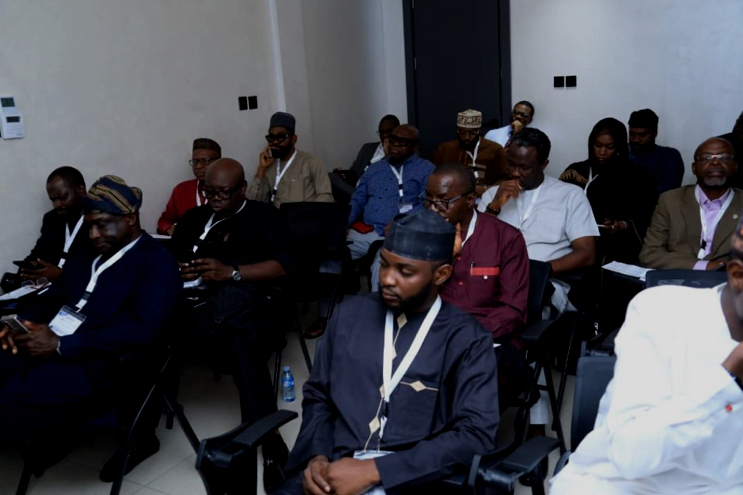
The Federal Government has reiterated the need for stronger collaboration with the private sector to address the growing burden of cancer in Nigeria and improve access to quality treatment for patients across the country.
The Minister of State for Health and Social Welfare, Dr. Iziaq Salako, made this known on Wednesday in Abuja during a two-day Stakeholders’ Engagement and Capacity Building Programme organised by Innova Healthcare Nigeria Ltd. with the theme, “Innova Healthcare Nigeria – Bringing the Total Oncology Solution.”
Represented by the National Coordinator of the National Cancer Control Programme, Dr. Uche Nwokwu, Salako said partnerships remain critical to achieving the country’s cancer control goals, stressing that government alone cannot overcome the challenges posed by the disease.
He noted that the National Cancer Control Plan seeks to reduce Nigeria’s cancer burden by 50 per cent by 2030 through improved screening, diagnosis, treatment and survivorship programmes.
According to him, the Federal Government’s Cancer Access Partnership Programme is already providing subsidised anti-cancer medications in more than 24 hospitals nationwide, helping low-income patients gain access to life-saving treatment.
Salako, however, pointed out that beyond medical expenses, many cancer patients face additional challenges such as transportation, accommodation and feeding costs, which further increase the burden of care.
Also speaking, the Director-General of the National Institute for Cancer Research and Treatment (NICRAT), Prof. Usman Aliyu, described the private sector as a vital partner in strengthening healthcare delivery, expanding access to advanced medical technologies and reducing the nation’s cancer burden.
He said sustainable progress in cancer control requires strategic partnerships, innovation and consistent investments across all stages of cancer care.
Aliyu revealed that Public-Private Partnerships (PPP) are playing a major role in improving radiotherapy services, with nearly half of the operational cancer treatment centres in Nigeria currently managed through such arrangements.
He further disclosed that NICRAT, through the Nigeria Cancer Access Partnership (NCAP) and the National Cancer Health Fund (NCHF), has supported more than 10,000 cancer patients with treatment, diagnostic services and essential medicines.
The Business Development Director of Innova Healthcare Nigeria Ltd., Mr. Wong Kai Yan, said the company is committed to bridging critical gaps in oncology care and improving treatment outcomes in Nigeria.
He identified shortages of radiotherapy equipment and specialised healthcare professionals, including radiation oncologists, medical physicists, oncology nurses and radiation therapists, as key challenges facing cancer care in the country.
Yan said the company is exploring partnerships that will promote technology transfer, knowledge sharing and workforce development between Nigeria and Singapore, while providing comprehensive oncology solutions ranging from infrastructure development and equipment installation to professional training.
The Chief Financial Officer of the company, Mr. Ikenna Njoku, expressed optimism that the initiative would reduce medical tourism and make cancer treatment more affordable and accessible to Nigerians.
Meanwhile, Senior Consultant Radiation and Clinical Oncologist at the National Hospital Abuja, Dr. Chinedu Aruah, said ongoing efforts to strengthen the oncology workforce would significantly improve cancer care delivery and reduce treatment delays across the country.
He described the stakeholders’ engagement as a positive step towards expanding access to radiotherapy services and enhancing the overall quality of cancer treatment in Nigeria.


 Ifejika joyce