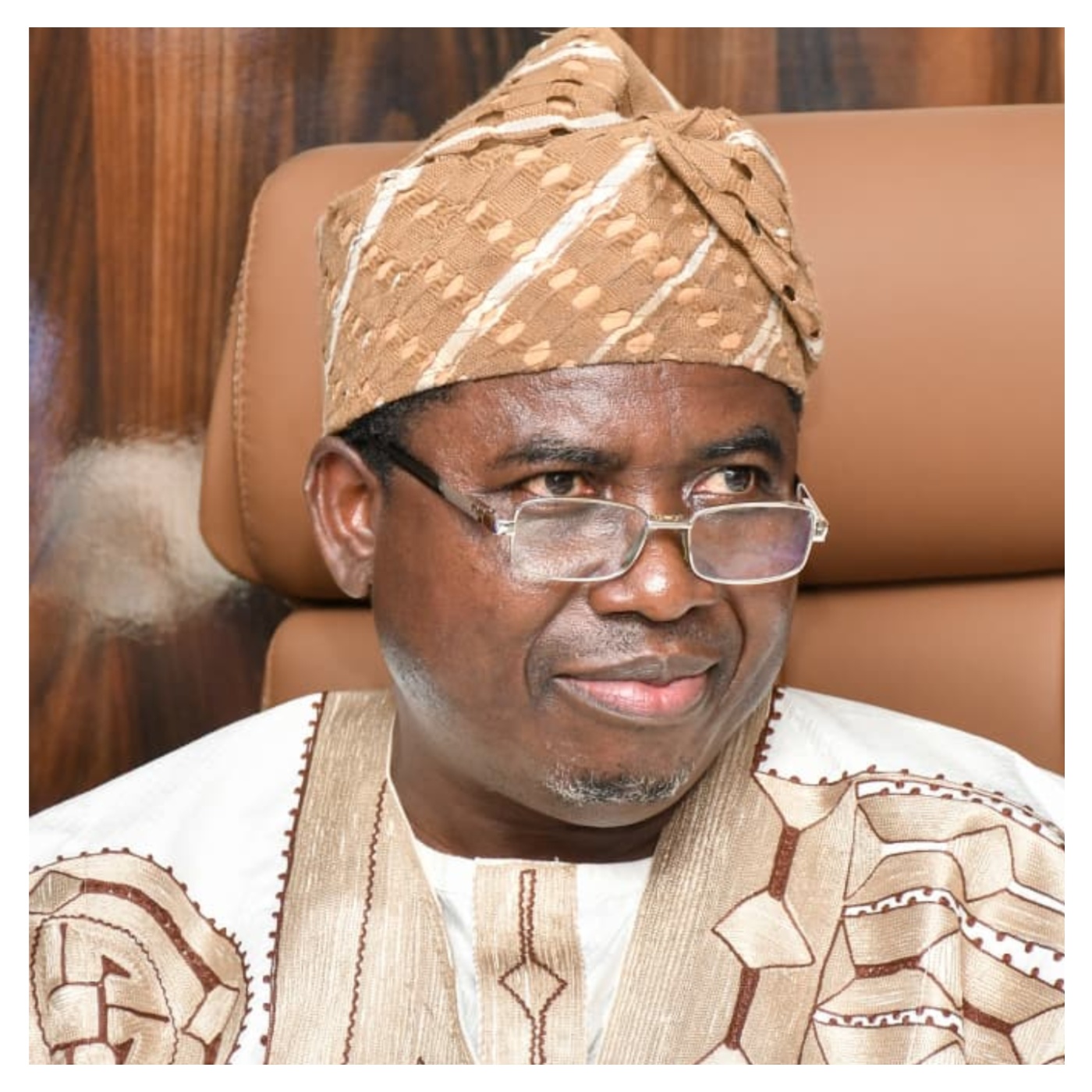
Tochukwu Chukwu
Enugu State has achieved a historic milestone, emerging as Nigeria’s most fiscally viable state in BudgIT’s much-anticipated 2025 State of States report — ranking as the subnational government most likely to survive independently of federal allocations from the Federation Account Allocation Committee (FAAC).
According to the report released by the civic tech organization, Enugu leads all 36 states in Index A — a metric that measures a state’s ability to finance its operating expenses solely through internally generated revenue (IGR). The ranking underscores Enugu’s robust financial reforms and improved revenue performance under the administration of Governor Peter Ndubuisi Mbah.
BudgIT’s analysis reveals that Enugu recorded an impressive viability score of 0.68, indicating that 68 percent of its IGR could effectively cover the state’s recurrent expenditure. This positions it ahead of Lagos (0.83), Abia (1.56), Anambra (1.66), and Kwara (1.73) — all completing the top five most viable states in 2025.
“States that perform strongly on Index A have comparatively limited dependence on FAAC allocations and thus possess greater viability if they were to theoretically exist as independent entities,” the report stated.
The development marks a remarkable turnaround for Enugu, which was not among the top five in 2024. The state’s leap reflects Governor Mbah’s aggressive fiscal modernization, including the deployment of digital technology for tax administration, e-payment systems to eliminate leakages, and expansion of the tax net to capture informal sector revenues.
When Governor Mbah assumed office in May 2023, Enugu’s IGR stood at ₦30 billion. By December 2023, it had climbed to ₦37 billion — and by the close of 2024, it skyrocketed to ₦180.05 billion, driven by strategic reforms and enhanced economic productivity.
In a significant shift from 2024, when Rivers and Lagos were the only states generating enough revenue to exceed their operating expenses, Enugu and Lagos now dominate that category in 2025 — with Enugu leading at 146.68 percent, followed by Lagos at 120.87 percent.
BudgIT’s report, however, notes that 28 states still depend heavily on FAAC allocations, highlighting persistent fiscal fragility across much of the federation.
Enugu also topped Index A1, which measures IGR growth across the 2024 fiscal year, followed by Bayelsa, Abia, Osun, and Kano. In contrast, Kebbi and Yobe recorded negative growth, while Ebonyi, Bauchi, and Benue posted weak performances — though this still reflects an improvement from 2023, when seven states recorded declines.
While BudgIT cautions that part of the growth could stem from temporary revenue inflows, analysts widely interpret Enugu’s rise as a reflection of disciplined governance, digital transformation, and a renewed fiscal vision under Governor Mbah’s administration.
The 2025 State of States report thus cements Enugu’s place at the forefront of Nigeria’s economic reawakening — not just as a regional hub, but as a model of fiscal independence and sustainability.


 Chidiogo asuke