Precious Chukwuwa
Former Vice President Atiku Abubakar has once again emerged as a presidential candidate, clinching the African Democratic Congress (ADC) ticket for the 2027 general election and setting the stage for what could be his final shot at Nigeria’s highest office.
Atiku secured a commanding victory in the ADC presidential primary, polling 1,846,379 votes to defeat former Minister of Transportation, Chibuike Amaechi, who garnered 540,117 votes. Economist Mohammed Hayatu-Deen finished a distant third with 177,120 votes.
The victory marks another significant milestone in Atiku’s long political journey and his fourth presidential ticket since 2007. Having previously flown the flags of the Action Congress and the Peoples Democratic Party (PDP), the former vice president is once again seeking to fulfil an ambition that dates back to 1993, when he first contested the presidential primaries of the defunct Social Democratic Party (SDP).
Over the years, Atiku has remained one of Nigeria’s most persistent presidential aspirants. He contested the SDP primaries in 1993, challenged then-President Goodluck Jonathan for the PDP ticket in 2011, sought the APC ticket in 2014 before losing to Muhammadu Buhari, and subsequently represented the PDP in the 2019 and 2023 presidential elections, losing both contests.
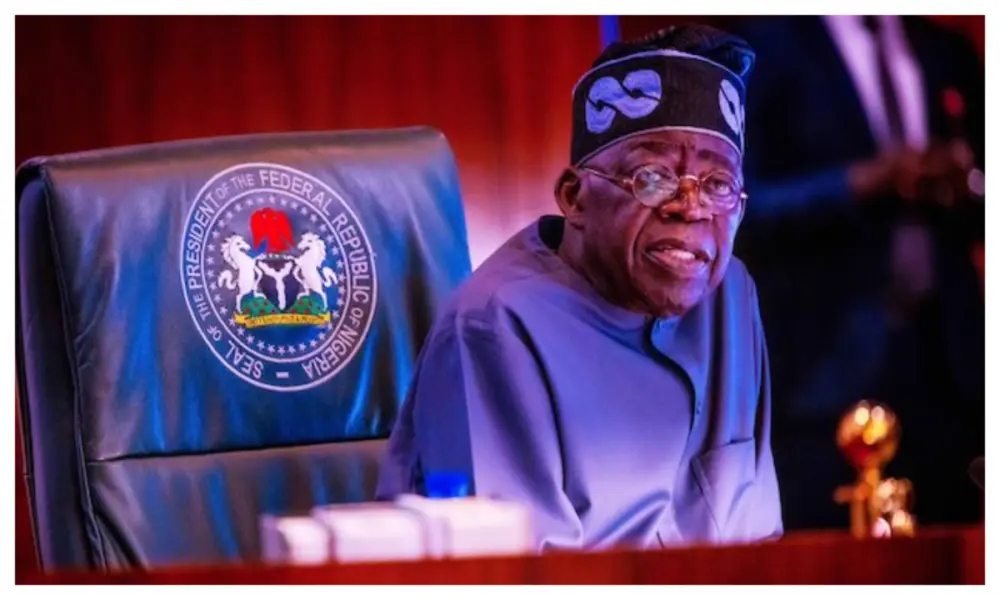
His emergence as ADC candidate now sets up a potentially fierce contest in 2027. Political observers believe the election could mirror the dynamics of the 2023 race, with Atiku expected to face President Bola Tinubu of the APC and Peter Obi of the NDC in a highly competitive three-way battle.
In his acceptance speech, Atiku described the ADC as a party built on sacrifice, hard work and compromise, pledging to strengthen democratic values and offer Nigerians an alternative political direction.
However, analysts argue that the opposition remains weakened by fragmentation. The inability of major opposition figures to unite under a single platform has left the anti-APC vote divided among several parties, potentially strengthening the ruling party’s chances ahead of the election.
The challenge facing Atiku became even more apparent following the reaction of his closest rival, Amaechi, who rejected the outcome of the primary. The former Rivers State governor alleged widespread irregularities, voter disenfranchisement and manipulation, insisting that the declared results did not reflect the wishes of party members.
The dispute has raised concerns about possible divisions within the ADC at a time when party unity is considered crucial for mounting a serious challenge against the APC.
In an apparent bid to mend fences, Atiku recently visited Amaechi in Abuja, signalling efforts to reconcile differences and forge a united front ahead of the campaign season. Political analysts believe the move reflects lessons learned from the 2023 election, when internal disputes within the PDP significantly undermined Atiku’s presidential bid.
Speculation has since emerged that Amaechi could be considered for the vice-presidential slot as part of reconciliation efforts. However, the former minister has repeatedly insisted that he is interested only in the presidency and not in serving as a running mate.
Beyond internal party tensions, Atiku must also contend with growing support for rival opposition figures, legal and political challenges within the ADC, and the continuing popularity of both Obi and Rabiu Musa Kwankwaso among key voting blocs.
As the 2027 race gathers momentum, the former vice president faces perhaps the greatest test of his political career. Having secured the ADC ticket, he must now overcome party divisions, unite opposition forces and convince Nigerians that he remains the best candidate to lead the country.
For Atiku, whose presidential quest has spanned more than three decades, the 2027 election may represent the defining chapter in a political journey marked by resilience, ambition and an unwavering pursuit of the presidency.