Precious Chukwuwa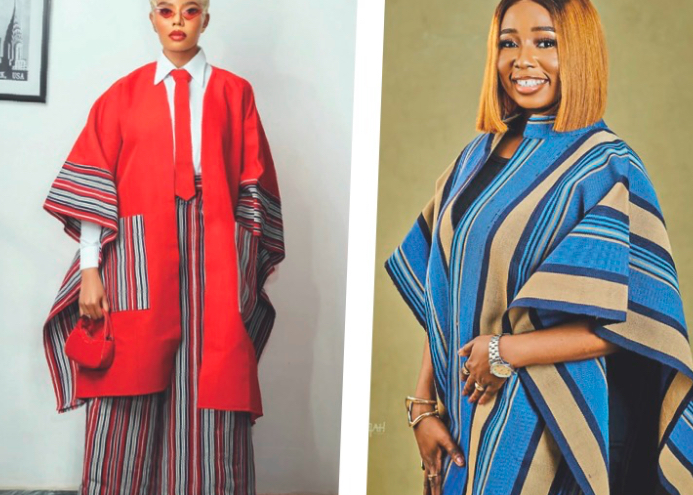
Aso-Oke is a highly regarded handwoven fabric rooted in the culture of the Yoruba people of Southwestern Nigeria. Traditionally crafted from cotton or silk, the fabric is woven on looms in narrow strips and later joined together to create garments worn during important occasions such as weddings and coronations.
Known for its rich colours and detailed patterns, Aso-Oke has long been used to make traditional pieces like gele and ipele, symbolising elegance and cultural pride.
In recent years, however, the fabric has been reimagined to suit modern fashion tastes. Designers now incorporate Aso-Oke into stylish outfits such as flowing bubu gowns with structured necklines, fitted corset tops, and trendy two-piece ensembles like Irawò pants and kimonos. It is also commonly combined with fabrics like Ankara or lace to create contemporary looks for weddings and special events.
Fashion lovers are increasingly experimenting by pairing Aso-Oke trousers with tops made from silk, chiffon, lace, or even denim, creating a striking contrast in textures that enhances overall style.
Even a subtle inclusion of Aso-Oke in modern designs—whether in jumpsuits, skirts, or accessories—can elevate an outfit and give it a unique, sophisticated edge.
Additionally, many style influencers still embrace the classic iro and buba ensemble, which includes the wrapper, shawl, and head tie, often made from breathable cotton Aso-Oke. This version remains popular for its comfort, vibrant thread combinations, and its ability to blend tradition with timeless elegance.


 Ifejika joyce