Precious Chukwuwa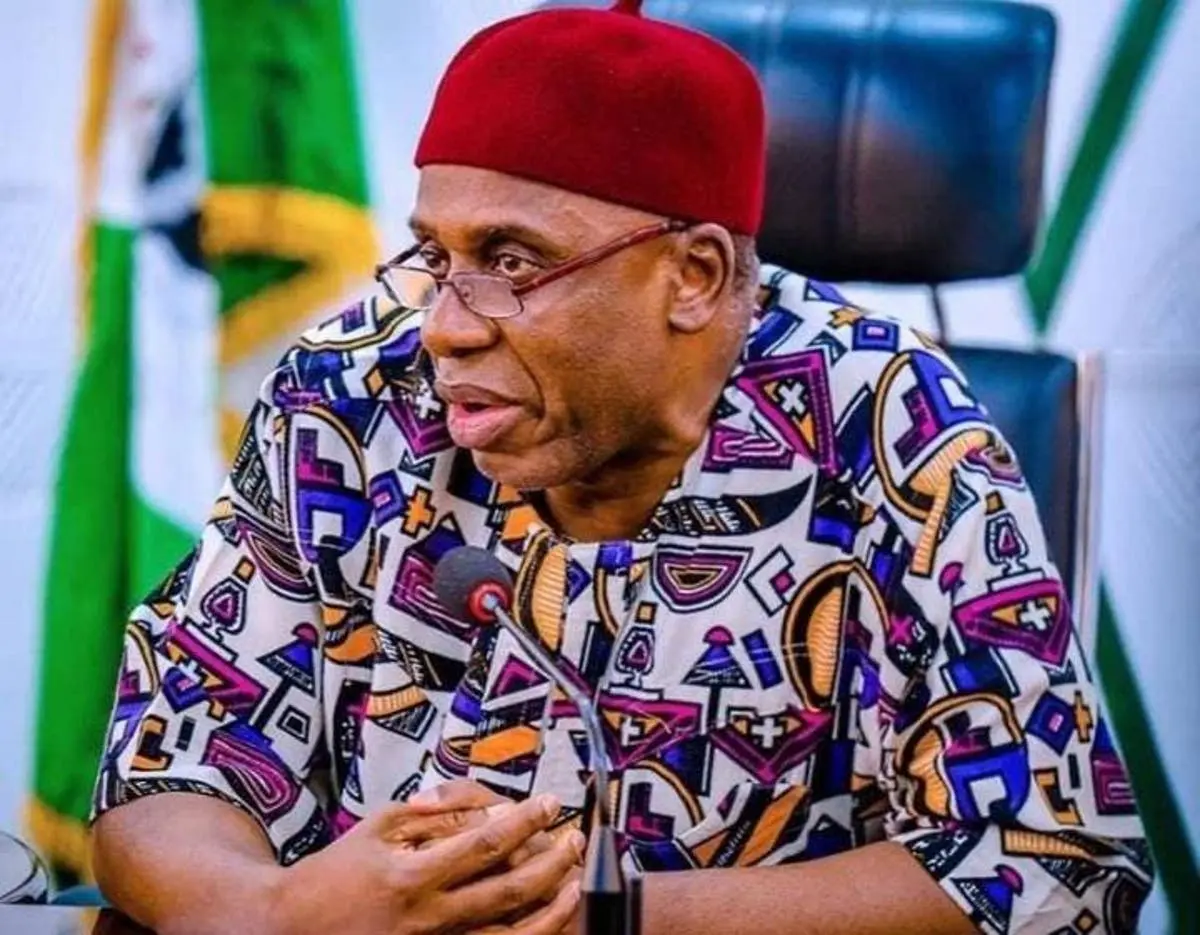
Former Rivers State Governor and ex-Minister of Transportation, Rotimi Amaechi, has revealed that he faced verbal attacks from supporters of Labour Party’s 2023 presidential candidate, Peter Obi, but chose not to respond in the interest of peace and opposition unity.
Amaechi made the remarks during a town hall meeting in Lagos organised by his supporters under the platform of the African Democratic Congress (ADC) Progressive Movement.
According to him, he has consistently instructed his supporters to avoid political insults and online confrontations, urging them instead to engage with facts and issue-based arguments.
He stressed that although his camp had the capacity to respond to criticism, they deliberately refrained from doing so to preserve harmony within the opposition and strengthen efforts toward a united political front ahead of future elections.
Amaechi noted that political ambition requires caution in words and conduct, adding that unnecessary attacks on fellow party members or opponents could make coalition-building difficult.
He also directed his supporters not to insult leaders within the ADC or even President Bola Tinubu, insisting that political engagement should be based on facts rather than abuse.
Reaffirming his 2027 presidential ambition under the ADC, Amaechi called on Nigerians to objectively assess his performance in public office against that of other contenders, including Peter Obi and former Vice President Atiku Abubakar.
He pointed to his record as Governor of Rivers State and later as Minister of Transportation, highlighting his hands-on involvement in major infrastructure projects, including railway development, as evidence of his practical leadership style and commitment to service delivery.
Amaechi described himself as a grassroots politician who understands the everyday realities facing ordinary Nigerians, saying his experiences in governance have kept him closely connected to the people.
He concluded by urging supporters of Obi, Atiku and other opposition figures to remain focused on unity, warning that internal divisions and hostility could weaken the collective effort to challenge the ruling party in future elections.