Precious Chukwuwa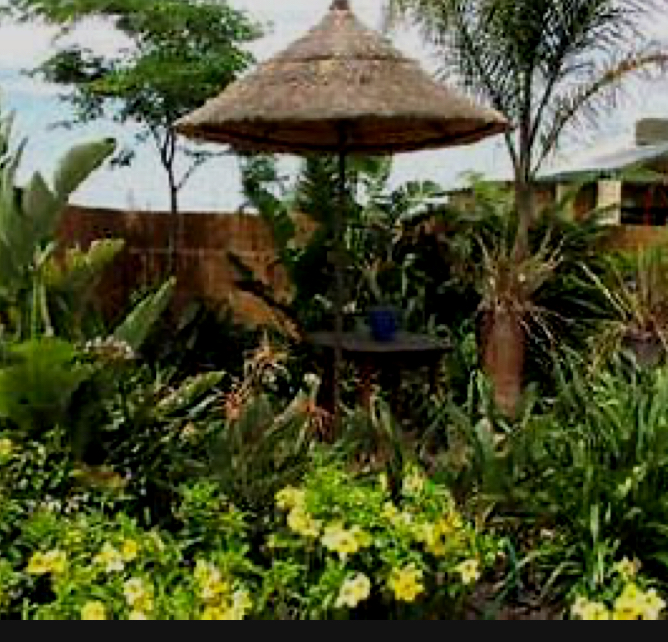
Herbal medicine is not merely an ancient pharmacopoeia waiting to be decoded. It is a complete healing system, deeply woven into culture, spirituality and humanity’s intimate relationship with nature. Long before modern medicine arrived with its laboratories, measurements and crisp white coats, traditional healing thrived through observation, experience and reverence for the earth.
Healing knowledge flowed through generations, passed carefully from teacher to student. It was not learned from textbooks alone, but from watching plants closely, understanding their seasons, recognising the effects of rain and sunlight, and mastering the precise methods of harvesting and preparation. It demanded patience, discipline and respect for nature itself.
My grandmother understood this language of plants.
At sunrise, she would take slow walks through her garden, gathering the tendrils of the Ewe Abamoda plant, a rhythmic vine that opened itself to the morning breeze and lost its potency by sunset. She believed it helped with kidney stones and blood sugar regulation.
Whenever she found it, she smiled.
She spoke to plants like companions, thanking them before cutting their stems. She gathered herbs carefully into the folds of her wrapper, never taking more than necessary. From there, she moved to the fern clinging stubbornly to palm tree bark, to guava leaves, pawpaw leaves, dried Jericho plants and corn silk growing wildly around the compound. To her, every plant carried purpose.
I watched my grandmother combine leaves, bark, roots and seeds with the precision of a pharmacist. The entire house often smelled of boiling herbs, bitter leaf, fermented bark, ginger, garlic and smoke rising from blackened clay pots in the outer kitchen.
There was scent leaf for stomach troubles. Dogonyaro for malaria. Guava leaves for diabetes. Corn silk for prostate illness. Neem baths during chickenpox. Pawpaw leaves and pineapple bark for asthma. Ginger, garlic and turmeric crushed together for coughs during harmattan.
Mama knew which roots must never touch metal, which leaves lost potency after noon, and which remedies worked only when freshly crushed. To her, nothing in nature was wasted. Everything existed to restore balance within the body.
Neighbours often ran frantically to our house during emergencies modern medicine could not immediately solve. I still remember the woman next door carrying her son during an epileptic seizure, his body jerking violently in her arms as she cried for help.
My grandmother calmly reached for one of the dark bottles lining her room. She administered a measured spoonful, rubbed something pungent onto the boy’s chest and spoke softly to him throughout.
Within twenty minutes, the boy recovered.
People came from far and near. Women struggling with infertility. Men seeking remedies for diabetes and prostate illness. Mothers carrying feverish children. Labourers searching for strength. Elderly people hoping for relief from aching joints.
Even we, her grandchildren, were not spared.
Every Sunday, we lined up reluctantly for our dreaded “Sunday concoctions” — dark bitter liquids squeezed from roots and leaves we could not identify. We swallowed them with grimaces while she watched with satisfaction.
But we were rarely sick.
To Mama, that was proof enough.
Yet I observed all this with detachment. I thought herbal medicine was simply my grandmother’s eccentric hobby. Sometimes I laughed as she wandered through her garden discussing stubborn roots pushing through the soil after rainfall.
My father, meanwhile, ensured she attended regular hospital checkups. She was never ill, but he believed in giving his mother the best modern healthcare available. Everyone tolerated her fascination with herbs.
Mama inherited her knowledge from her own mother. It was wisdom expected to pass naturally into the next generation. But after Independence, many Nigerians embraced the prestige of Western medicine — its exact measurements, polished clinics and scientific certainty.
Compared to hospitals and pharmacies, herbal stalls looked crude: dried twigs tied in bundles, powders displayed in bowls, bark wrapped in newspapers and dark bottles crowded onto dusty shelves. Slowly, one system became celebrated while the other faded into quiet neglect.
Herbal medicine became labelled primitive, fetish or backward. Many people abandoned indigenous healing traditions entirely.
I did too.
Until now.
Today, it is becoming impossible to ignore the important role plants still play in human well-being. Modern science continues to rediscover what indigenous communities always knew — many healing compounds originate from nature itself.
Across the world, people are returning to herbs, roots and organic remedies in search of wellness and balance. Hibiscus flowers once casually brewed into Zobo are now marketed globally as wellness drinks. Soursop leaves are steeped for their medicinal properties. Pawpaw seeds are recognised for fighting parasites.
What was once dismissed as “local medicine” is now packaged into teas, supplements and capsules, then sold back to us at premium prices.
This is not to claim herbal medicine is beyond criticism or incapable of harm. Like pharmaceuticals, herbs require knowledge, precision and responsibility. Charlatans exist everywhere. Not every dark bottle contains wisdom, just as not every white coat contains truth.
Perhaps the future of healing lies not in rejection, but in reconciliation.
And I think often now of my grandmother.
Of her quiet confidence. Of her dawn walks through dew-covered gardens. Of the reverence with which she touched leaves and bark. Of the dark bottles lined carefully against the walls of her room. Of the wisdom she carried so naturally that we mistook it for ordinary village habit.
My grandmother has been gone for more than twenty-five years now, and I ache at the knowledge that I never sat beside her long enough to truly learn.
Instead, after her death, my indifference became something worse. Her library of herbs, roots, seeds and remedies was discarded and destroyed. At the time, it felt like clearing away clutter.
Today, it feels like standing by while knowledge burned.
Perhaps that is the greatest tragedy — not merely that we abandoned herbal medicine, but that we abandoned the wisdom of listening to the earth itself.
And now, generations later, we are desperately trying to remember what our grandmothers already knew.


 Chidiogo asuke