Chidiogo asuke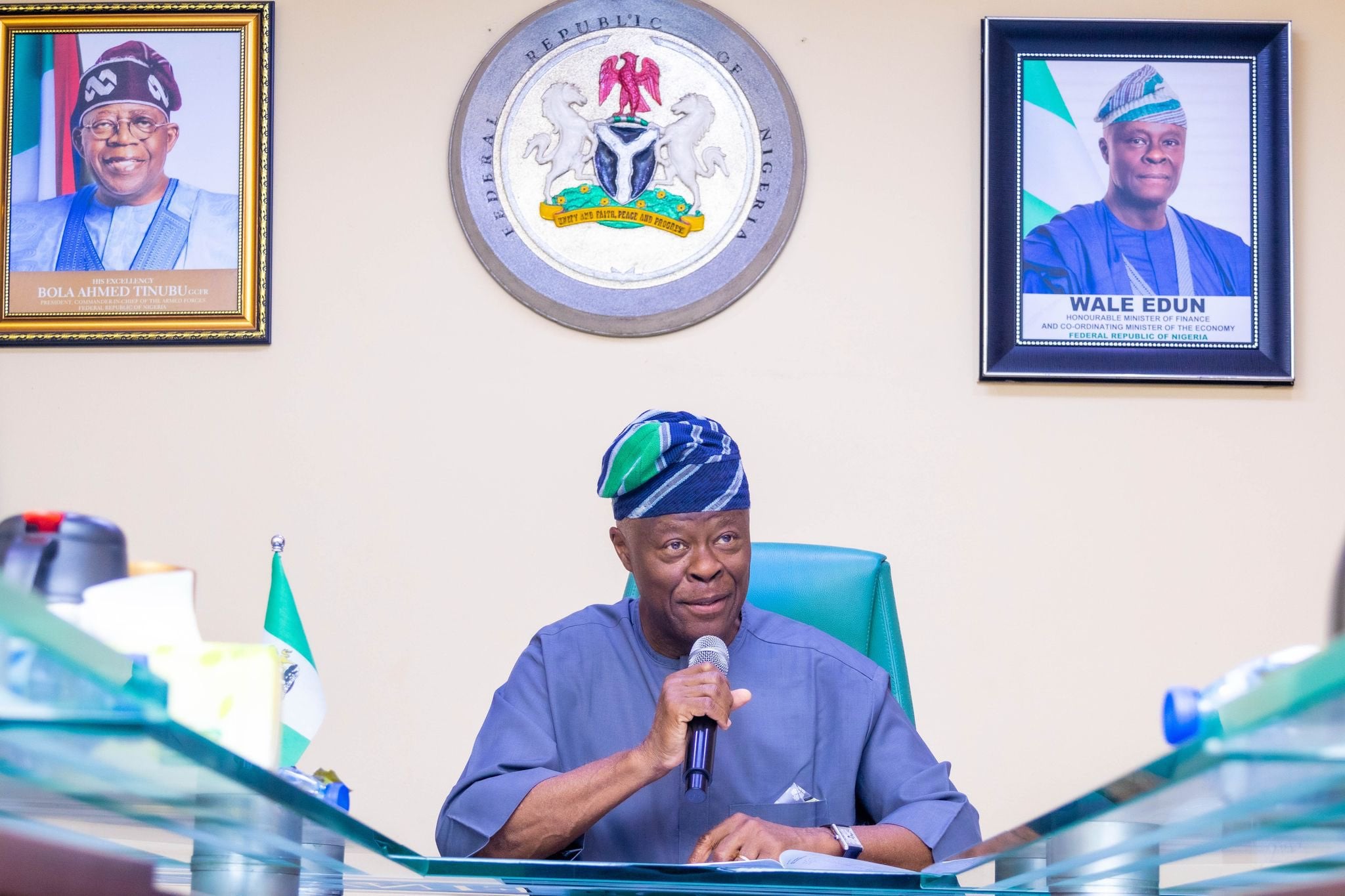
The US–Israel–Iran conflict has triggered major external shocks, disrupting energy markets, tightening global financial conditions, and introducing renewed inflationary pressures across economies.
This is according to the Minister of Finance, who echoed the threats at the just-concluded IMF/World Bank Spring Meetings, saying the shock comes amid economic reforms aimed at lifting millions out of poverty.
He noted that the disruptions have led to high fuel prices, increased food costs, and placed inflationary pressures on Nigerian households.
Edun, who led the Nigerian delegation to the meeting, said amid the challenges, the Nigerian government is working to improve the country’s macroeconomics and attract and scale investments required to lift millions out of poverty.
Addressing the Nigerian delegation, Edun noted that crude oil prices have experienced significant volatility since the start of the conflict, rising by between 35% and over 50%, driven primarily by disruptions in the Strait of Hormuz.
“Bonny Light, Nigeria’s kind of oil, jumped from around $70 – $73 a barrel to highs exceeding $110 – $120.
“Volatility in global energy markets is already influencing domestic energy-related commodities, with direct implications for prices and the standard of living of Nigerians.
“Petrol prices rose by over 50%, from about N890 – N900 to N1260 – N1330. Diesel prices surged by over 70%, from N1,100 per litre to about N1,550 at the peak,” Edun said.
Despite the challenges, Edun told the IMF delegates that Nigeria entered the global uncertainty period from a strengthened economic fundamentals standpoint compared to recent economic shocks such as COVID–19 and the Russian / Ukraine war.
He noted that Nigeria needs a greater level of support during the economic transition period and will also be advocating additional measures to reduce fiscal strain and attract investments.