Tochukwu Chukwu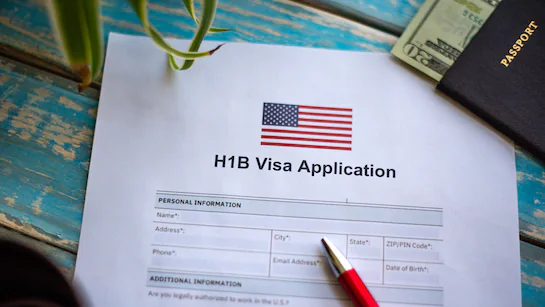
Washington, D.C. — Attorneys general from 20 U.S. states, led by California, have filed a federal lawsuit challenging the Trump administration’s controversial policy imposing a $100,000 fee on new H-1B visa petitions, marking a dramatic escalation in legal battles over the future of the U.S. skilled-worker visa system.
Filed in federal court in Boston, the lawsuit argues that the administration lacks the legal authority to impose such a fee, contending it violates federal immigration law and improperly usurps Congress’s role in setting visa fees. Under existing law, immigration fees are meant to cover administrative costs, not generate revenue or serve as a barrier to entry, the states say.
The policy, enacted via a presidential proclamation in September 2025, requires employers seeking to hire foreign workers under the H-1B programme to pay the steep charge — a significant jump from the current typical fee range of a few thousand dollars. The fee applies to new H-1B petitions filed after September 21, 2025, and has drawn widespread criticism from employers and state officials.
California Attorney General Rob Bonta, who announced the litigation, warned that the fee threatens vital sectors that rely on foreign talent, including technology, education and healthcare. In a statement, he said the policy will worsen labour shortages and strain public services that depend on highly skilled international workers.
The coalition of states includes Arizona, Colorado, Connecticut, Delaware, Hawaii, Illinois, Maryland, Massachusetts, Michigan, Minnesota, North Carolina, New Jersey, New York, Oregon, Rhode Island, Vermont, Washington and Wisconsin. They argue the fee was imposed without proper notice and comment procedures required by law and that it could hinder access to essential services by making it cost-prohibitive to recruit necessary foreign professionals.
The Trump administration has defended the policy as a lawful measure intended to curb abuses of the H-1B system and protect American workers, a defence echoed by senior White House officials. However, the legal challenge adds to other suits from industry groups, including the U.S. Chamber of Commerce, which also contest the fee’s legality and potential economic impact.
A key question for the courts will be whether the executive branch overstepped its authority, as plaintiffs argue that only Congress has the power to set immigration-related fees at this level. The lawsuit seeks to block enforcement of the fee and have it declared unlawful.
The case is likely to be closely watched by business leaders, immigration advocates and policymakers given its potential to reshape U.S. immigration enforcement and labour market access for international talent.


 Precious Chukwuwa
 Ifejika joyce