Precious Chukwuwa
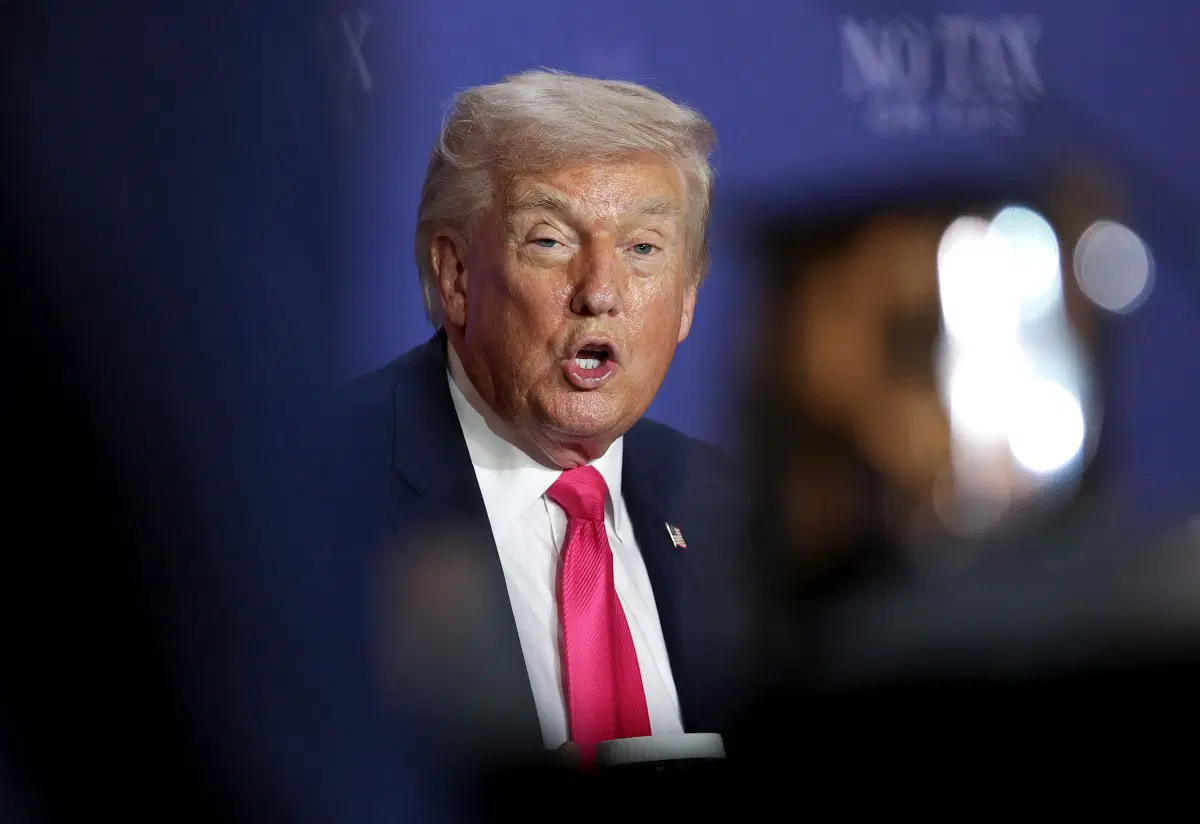
The Supreme Court of the United States on Friday ruled that President Donald Trump exceeded his constitutional authority by imposing sweeping tariffs under emergency powers, dealing a major blow to a central pillar of his trade policy.
In a 6–3 judgment, the conservative-majority court held that the International Emergency Economic Powers Act (IEEPA) does not grant the president the authority to impose tariffs. The court clarified that while the law provides broad emergency economic powers, it makes no explicit mention of tariffs or trade duties.
Chief Justice John Roberts, writing for the majority, stated that “IEEPA contains no reference to tariffs or duties.” The ruling saw three conservative justices join the court’s three liberal members to strike down the emergency tariffs. However, Justices Brett Kavanaugh, Clarence Thomas, and Samuel Alito dissented.
During his presidency, Trump frequently used tariffs as leverage in trade negotiations. However, following his return to office, he significantly expanded their use by invoking emergency powers to impose broad tariffs on nearly all US trading partners. These included so-called “reciprocal” tariffs on countries accused of unfair trade practices, as well as duties targeting Mexico, Canada, and China over concerns related to drug trafficking and immigration.
The court’s decision does not affect sector-specific tariffs, such as those on steel and aluminium, and future targeted duties could still emerge from ongoing government investigations.
According to EY-Parthenon chief economist Gregory Daco, average US tariff rates are now projected to decline from 16.8 percent to approximately 9.5 percent. The ruling could reduce government revenue by an estimated $100 billion to $120 billion, although the question of refunds to importers remains unresolved.
A lower trade court had previously halted most of the emergency tariffs in May, but enforcement was paused pending appeal. The Supreme Court’s ruling now firmly limits the scope of presidential authority over trade under emergency powers.

 Ifejika joyce