Precious Chukwuwa
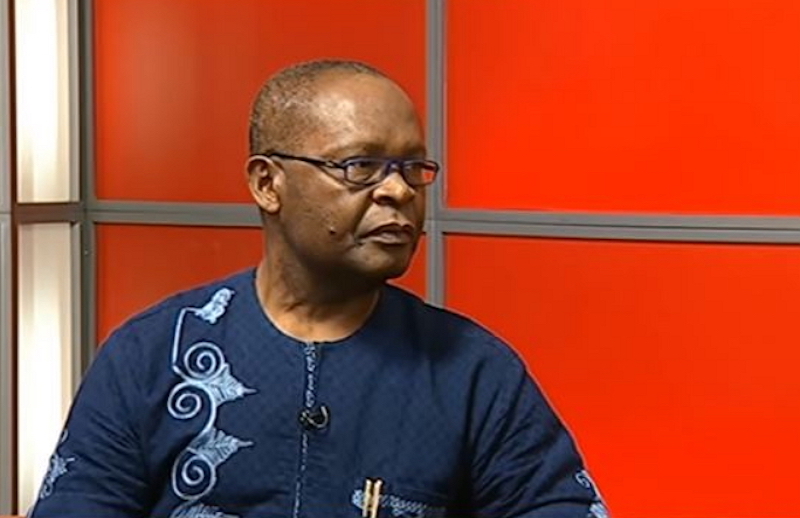
Chairman of the Tunji Olaopa-led Federal Civil Service Commission, Prof. Tunji Olaopa, has urged Nigeria to undertake far-reaching reforms in its local government system to improve grassroots development and deliver greater benefits to citizens.
Speaking at the ninth annual lecture of the Binuyo Foundation, titled “Strengthening Local Governance as Framework for Nigeria’s National Transformation,” held at the Federal School of Surveying on Saturday, Olaopa stressed that meaningful reform must begin with constitutional changes.
He explained that Nigeria’s federal structure is rooted in constitutional provisions that define relationships among the three tiers of government, noting that these legal frameworks should be revisited as discussions on restructuring continue.
Olaopa also advocated stronger collaboration among state governments, local councils, traditional institutions, and community-based organisations to improve service delivery, encourage self-help initiatives, and strengthen local governance through social capital and community participation.
He further called for institutional reforms that would enhance inter-governmental cooperation and reinforce checks and balances in governance. According to him, frameworks such as the World Bank’s Local Fiscal Transparency, Accountability and Sustainability (LFTAS) protocol can help monitor local government performance and ensure accountability in development programmes.
Highlighting the need to address capacity challenges within local governments, Olaopa said effective grassroots development depends on mobilising communities into cooperative networks capable of driving sustainable progress.
Drawing from development models such as OPTICOM and IDIPR—initiatives pioneered by late scholars Ojetunji Aboyade and Akin Mabogunje—he noted that traditional institutions and community structures possess the resilience and capacity to support responsible development policies when backed by visionary leadership.
He described these models as practical frameworks for rural development, rooted in community engagement, strategic communication, and collaboration between researchers and grassroots producers to drive inclusive growth.


 Chidiogo asuke