Chisom Orjiogbu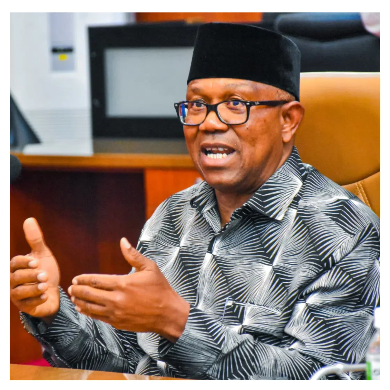
The Nigeria Democratic Congress, NDC, presidential candidate, has lambasted the Federal Government, lamenting that it has neglected the education sector in Nigeria.
In a post on his verified X handle on Friday, Obi said the government has finally admitted to its poor management of the education sector in reaction to the recent policy separating junior and senior secondary schools.
He said such admission by the Federal Government is tragic because education is the most vital contributor to human capital development, which forms the foundation for growth and economic development of any society.
The former Anambra state governor said Nigeria cannot overcome economic stagnation without prioritising education, healthcare, and job creation to lift millions of unemployed youths out of poverty.
He added that as successful Asian nations have demonstrated, educational excellence requires sustained investment in curriculum development, motivated teachers, and better learning environments.
Recall that the Federal Government announced plans to end the policy separating Junior Secondary Schools, JSS, from Senior Secondary Schools, SSS, saying it has contributed to the rising number of children dropping out of school.
Reacting, Obi said, “The Federal Government has finally admitted to its poor management of the education sector.Recently, the Minister of Education acknowledged that the policy separating junior and senior secondary schools has failed to improve educational outcomes. This is evident in recent examination results.
“In 2024, the West African Examinations Council, WAEC, reported that only 38.32% of candidates passed English and Mathematics in the WASSCE. In 2025, only 32% passed the computer-based WASSCE. This poor performance has been consistent across major examinations over the past two years.
Unfortunately, the government continues to neglect the sector. In the 2026 budget, education received only N3.52 trillion, just 6.17% of total expenditure, down from 7.87% in 2025, and well below UNESCO’s recommended 15–20%. This low allocation indicates a failure to recognise education as a driver of sustained economic growth.
“The Minister’s admission reflects a broader failure of public leadership. The issue is not the JSS/SSS policy itself, but the lack of commitment to properly fund, manage, and deliver quality education,” he wrote.