Ugamatv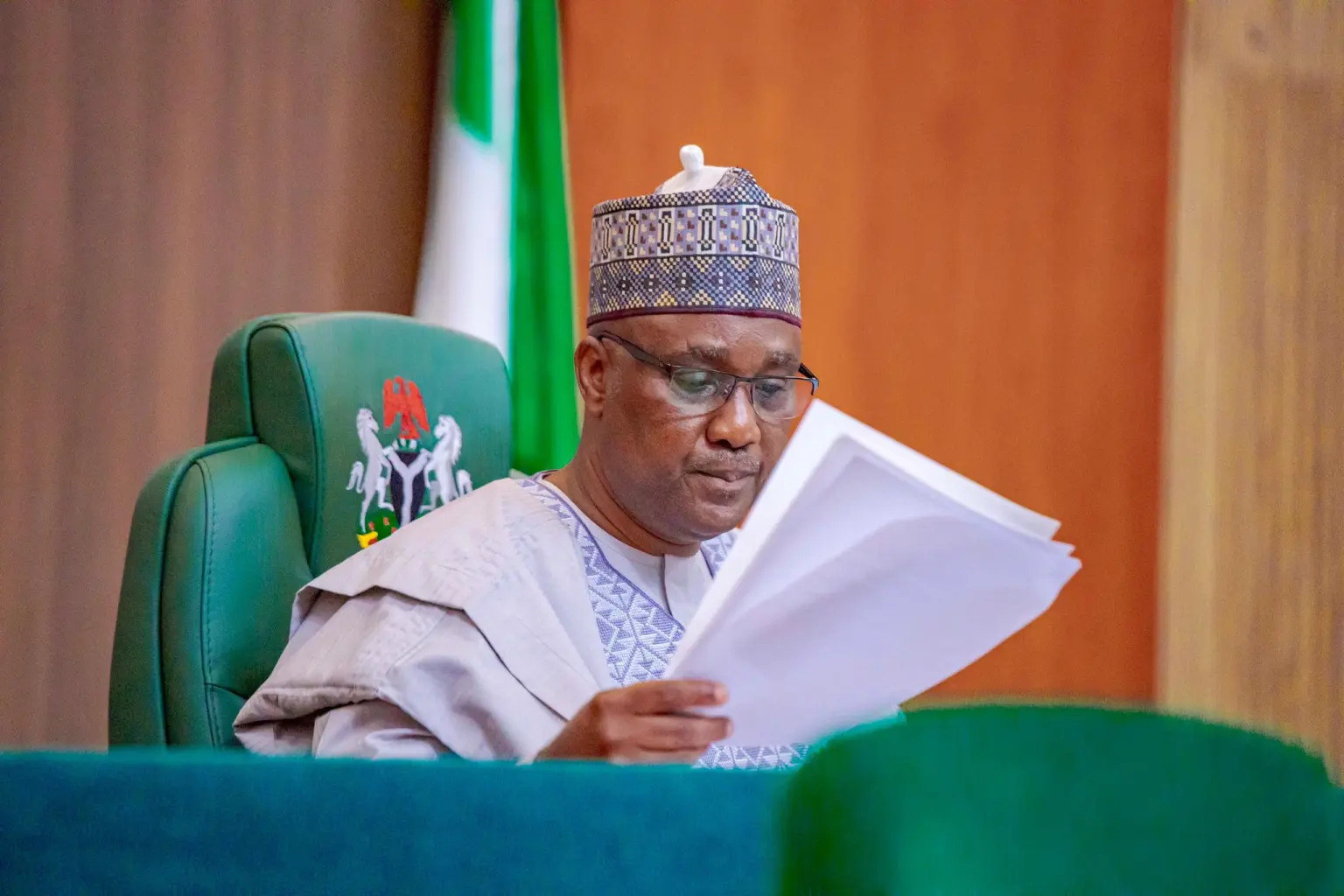
The Speaker of the House of Representatives, Abbas Tajudeen, has raised alarm over Nigeria’s rising debt burden, warning that it has exceeded the country’s legal threshold and poses a major threat to fiscal sustainability.
Abbas made the remarks on Monday at the opening of the 11th Annual Conference and General Assembly of the West Africa Association of Public Accounts Committees (WAAPAC) in Abuja.
According to him, Nigeria’s total public debt climbed to N149.39 trillion (about US$97 billion) in Q1 2025, a sharp rise from N121.7 trillion in 2024. He added that the debt-to-GDP ratio now stands at 52 percent, surpassing the statutory ceiling of 40 percent set by law.
“Even more concerning is the debt-to-GDP ratio, which now stands at roughly 52 percent, well above the statutory ceiling of 40 percent set by our own laws,” Abbas said.
The Speaker described the breach as a red flag for fiscal stability and called for stronger parliamentary oversight, transparency in borrowing, and reforms to ensure loans are channeled into projects with tangible social and economic benefits.
He cautioned that several African countries already spend more on debt servicing than on healthcare and essential services, stressing that Nigeria must avoid falling into the same trap.
To mitigate risks, Abbas announced plans to establish a West African Parliamentary Debt Oversight Framework under WAAPAC, which will harmonise debt reporting across the sub-region, set transparency standards, and provide lawmakers with data to scrutinise borrowing.
He also revealed a proposed regional capacity-building programme aimed at strengthening debt sustainability analysis and fiscal risk assessment.
Abbas emphasised that borrowing must be tied to productive sectors such as infrastructure, health, education, and job-creating industries. He warned that debt driven by consumption or corruption must be rejected.
Reaffirming the 10th House’s commitment to accountability, the Speaker said that under its Open Parliament policy, major borrowing proposals will undergo public hearings, and simplified debt reports will be made available to citizens.

 Chisom Orjiogbu