Precious Chukwuwa
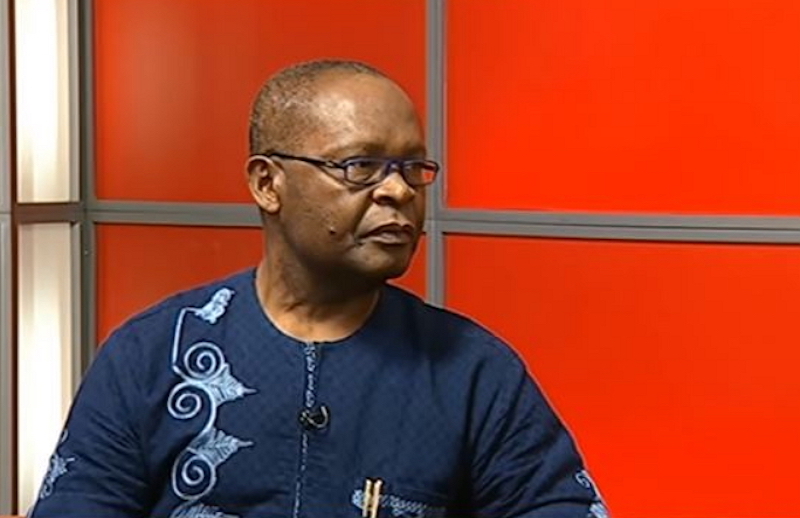
The Bishop of the Roman Catholic Diocese of Sokoto, Matthew Hassan Kukah, has cautioned that Nigeria’s democracy remains fragile due to weak values and poorly entrenched principles, even though it has endured years of political tension and public dissatisfaction.
Kukah made the remarks at the 10th convocation ceremony of the Federal University, Oye-Ekiti (FUOYE), where he was conferred with an honorary doctorate degree.
According to the cleric, democracy remains the most reliable system for maintaining social order, but Nigeria has failed to fully embrace its foundational ideals. Quoting former British Prime Minister Winston Churchill, Kukah noted that while democracy is flawed, it is still superior to all other forms of governance.
He observed that democracy thrives on accountability, fairness and equal opportunity, yet Nigeria’s political environment often allows leaders to operate without restraint, despite protests, legal challenges and civic opposition.
“There are protests, court cases, imprisonments and even loss of lives, yet governance continues without meaningful change,” Kukah said.
He expressed concern that disputed electoral outcomes have become widely accepted, while public frustration has not translated into real reform. Kukah urged citizens to actively protect democratic ideals by holding leaders accountable, warning that repeated unfulfilled promises have stalled national development.
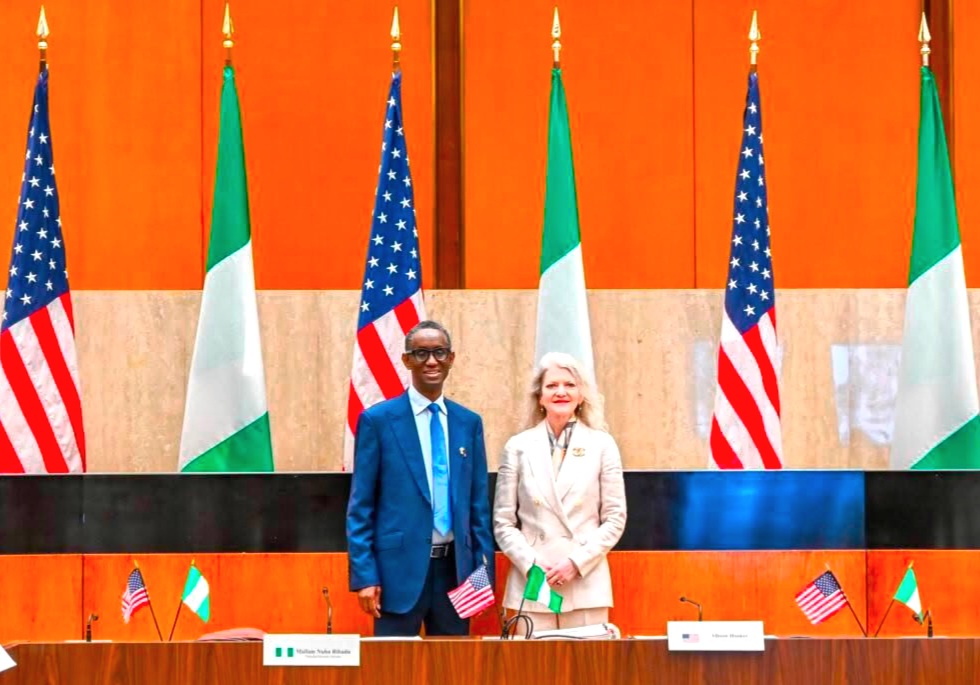
At the event, President Bola Tinubu, represented by the Executive Secretary of the National Universities Commission (NUC), Abdullahi Yusufu Ribadu, commended FUOYE’s rapid growth, describing it as one of Nigeria’s fastest-growing universities. Ribadu encouraged graduating students to use their education to contribute to national progress and outlined the Federal Government’s efforts to address insecurity through global collaborations.
Also speaking, the outgoing Vice-Chancellor, Prof. Abayomi Fasina, thanked staff and students for their support during his tenure and advised graduates to remain innovative and competitive in the job market.
A total of 7,684 students graduated, comprising 7,396 undergraduates and 288 postgraduates, with 131 students earning first-class honours across various disciplines.
Kukah’s message, alongside the convocation proceedings, highlighted the importance of ethical leadership, active citizenship and quality education in strengthening Nigeria’s democratic system.


 Chidiogo asuke