Ugamatv
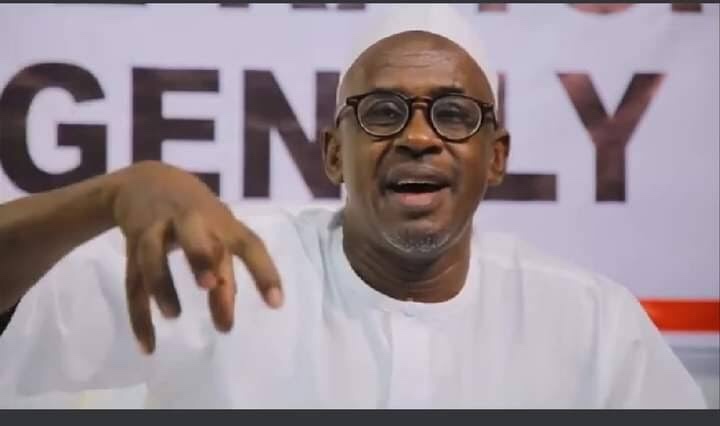
Former Governor of Jigawa State and ex-National Secretary of the defunct Social Democratic Party (SDP), Sule Lamido, has disclosed that he once boldly told former military president, General Ibrahim Babangida (retd), to resign in the heat of the June 12, 1993, election crisis.
Lamido made this revelation in his newly launched autobiography titled Being True to Myself, presented to the public on May 13, 2025.
In Chapter 7, titled “June 12 Consumes IBB”, Lamido recounts a tense early-morning summons to the Presidential Villa where he confronted Babangida over the annulment of the presidential election widely believed to have been won by Chief Moshood Abiola.
“Sir, you must resign and leave office”
Lamido recalled that Babangida asked him directly what he should do to resolve the crisis, and in a moment of bold honesty, he told the president to resign. The former dictator was reportedly stunned and responded, “Sule, no Nigerian can dare say that to me… You are very lucky.”
Despite Babangida’s anger, he acknowledged Lamido’s sincerity, describing him as someone “godly” and authentic, even if naïve. Babangida allegedly admitted he wished he had met Lamido earlier, having previously held a mistaken impression of him.
Abiola’s Victory, Shonekan’s Emergence
Lamido also criticised Babangida’s justification for annulling the election, calling it weak. According to him, the SDP, at the time, had resolved not to accept any alternative political transition outside validating the June 12 results. However, political pressure from groups like NADECO eventually forced a shift in strategy.
He further explained that Babangida’s decision to install Chief Ernest Shonekan as head of the Interim National Government (ING) was a political attempt to appease the Yoruba following the annulment of Abiola’s victory.
Lamido said the ING formation had nothing to do with the SDP or NRC. Shonekan, according to him, was chosen because of his acceptability, business pedigree, and British connections—not because he had played any political role in the June 12 elections.
Yoruba Hijack Narrative
In a controversial remark, Lamido claimed that although Yoruba political figures were absent during the electoral process, they tried to “hijack” Abiola’s victory after the annulment, making it seem like a strictly ethnic affair rather than a national political crisis.
Lamido’s autobiography offers a rare insider perspective into one of Nigeria’s most defining democratic struggles, painting a picture of backdoor negotiations, political pressure, and bold confrontations in the corridors of military power.


 Tochukwu Chukwu
 Precious Chukwuwa