Chidiogo asuke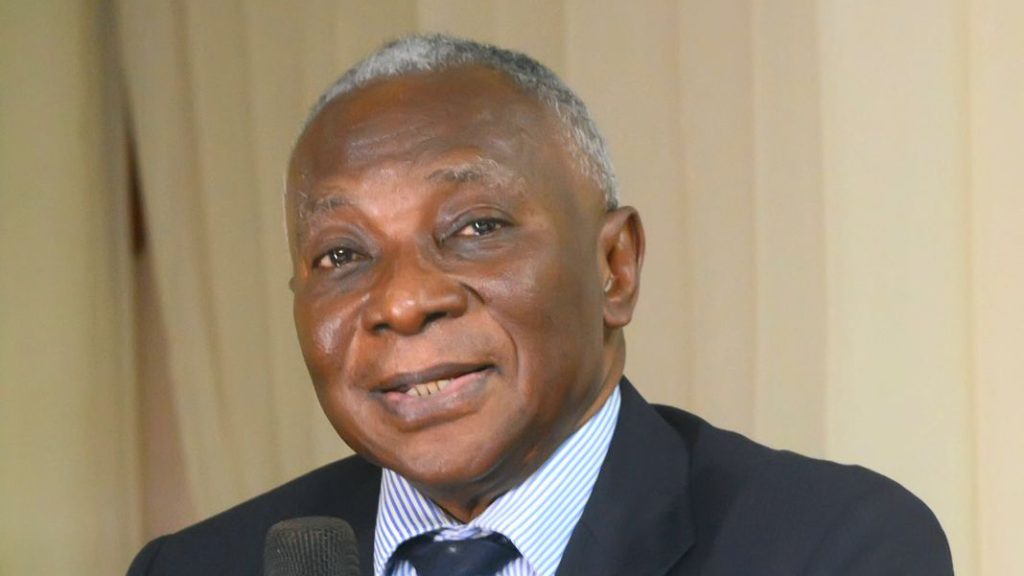
Former Police Commissioner, Ikechukwu Ayo Aduba, rtd, has accused Chief Phillip Asiodu of distorting history.
Asiodu had, in a statement, denied Asaba’s Igbo heritage and ethnic basis of the 1967 Asaba Massacre, claiming that “Asaba is not Igbo”
But Aduba, while responding through a title, “Building On Truth: Asaba, Igbo Identity And The 1967 Massacre,” maintained that Asaba is an Igbo community by language, culture, and origin.
He said Asiodu contradicted linguistic, cultural, and historical evidence recognised by scholars and Asaba’s own institution.
“To say the least, Chief Philip Asiodu is free in his political views. But history is not a personal opinion. It is recorded in Language, Artefacts, and Blood.
To back up his claim, Aduba said Asaba is located in Delta State, but its people are part of the Anioma/Igboid cluster.
“The Igbo language is listed as Asaba National Language. Linguists classify Anioma communities including Asaba as native speakers of Igboid languages, a branch of Niger-Congo, Igbo dialects officially include “Onitsha, Enuani.”the Enuani is the dialect spoken in Asaba and surrounding Anioma towns.
“Cultural Continuity Asaba’s traditions mirror core Igbo Omenala. The Asagba of Asaba himself pledges to preserve “Asaba Cultural Heritage, especially IgbaMkpisi culture,” an Igbo initiation rite tied to titles and ancestry.
“The traditional salutation to the Asagba is “NnaAgu! AsagbaAhabaAgu”, using Igbo titles and cosmology. Masquerade traditions like Agaba/Mgbedike originate from Igbo-speaking communities:
“The five quarters of Asaba-Ezenei, Ugbomanta, Umuagu, Umuaji, Umuonaje bear the Igbo morpheme, Umu, meaning “Children”. The town’s original name was Ani Ahaba- “We have settled in this land” an Igbothe phrase
On the Asaba Massacre of 5-7 October 1967, he posited it was ethnically targeted and that for Asiodu to claim it “was not based on ethnicity” is contradicted by federal record survivor testimony, and academic research.
He said former head of State, Gen Yakubu Gowon publicly apologised to Asaba people in 2001 over the death toll in that attack. Estimates range between 373-800 killed, with over 1,000 cited by survivors and recent memorials.
The former police boss stated that the Asaba sons and daughters who died in October 1967 deserve the truth. “So do future generations. True history is the foundation of great history. Let us build on truth,” Aduba insisted.

 Precious Chukwuwa