Precious Chukwuwa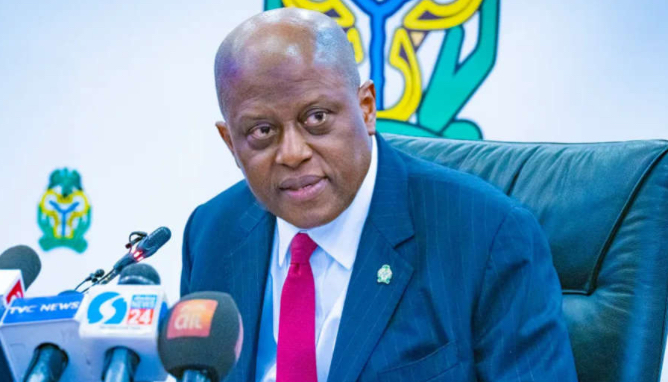
The Central Bank of Nigeria (CBN) has announced a reduction of the Monetary Policy Rate (MPR) from 27 per cent to 26.5 per cent, its second cut in five months, aiming to ease borrowing costs and boost liquidity in the economy. The announcement was made on Tuesday during the Monetary Policy Committee (MPC) briefing in Abuja by Governor Olayemi Cardoso.
Governor Cardoso also reported that no fewer than 20 banks have now fully complied with the new minimum capital requirements, with an additional 13 banks at advanced stages of capital-raising. Verified total capital raised across these institutions stands at N4.05 trillion, with 71.6 per cent sourced domestically and 28.33 per cent from foreign investors, reflecting strong confidence in Nigeria’s financial system.
While the MPR cut is expected to reduce borrowing costs for businesses and individuals, the CBN maintained other protective measures to safeguard financial stability. The Cash Reserve Requirement (CRR) remains at 45 per cent for commercial banks and 16 per cent for merchant banks. The Standing Facility Corridor has been retained at +50 to -450 basis points around the new policy rate.
Cardoso highlighted ongoing reforms, including streamlining foreign exchange operations, eliminating multiple exchange rate windows, and enhancing digital payment oversight. The apex bank is also advancing frameworks for digital assets, aiming to balance financial innovation with systemic stability.
The governor further revealed that Nigeria’s gross foreign reserves have reached $50.4 billion, the highest in 13 years, supported by a healthy current account surplus, rising non-oil exports, and diaspora remittances. Inflation, previously at 34 per cent, has declined to 15.45 per cent, though the CBN emphasized continued vigilance and collaboration among stakeholders to sustain economic gains.
Cardoso concluded that while the rate cut provides relief, macroeconomic stability remains a top priority, with the central bank closely monitoring inflation, fiscal discipline, and the overall financial system.

 Chidiogo asuke