Ugamatv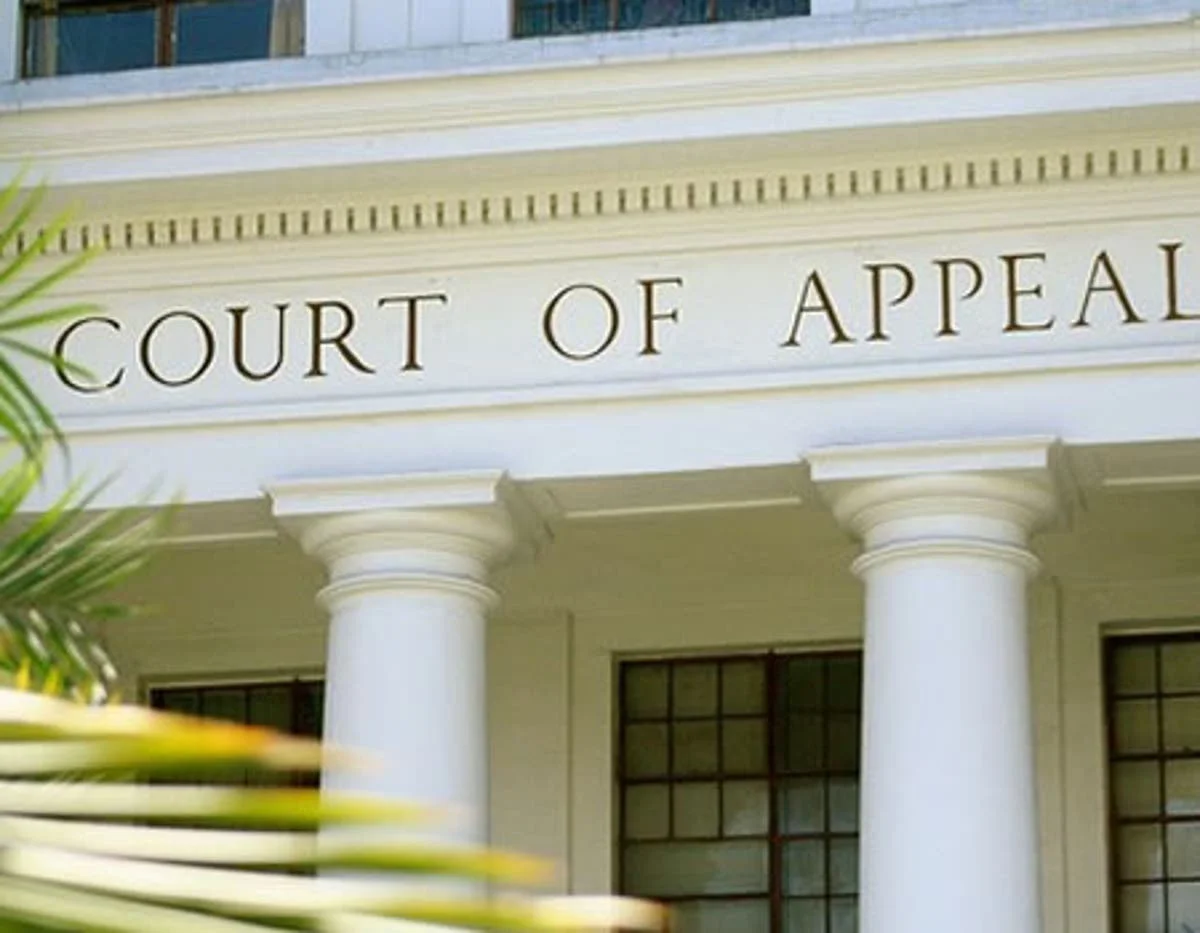
The Court of Appeal in Lagos has overturned a previous ruling that barred the Economic and Financial Crimes Commission (EFCC) from seizing 14 properties allegedly linked to Kogi State Governor Yahaya Bello.
Delivering judgment virtually, Justice Yargata Nimpar, supported by two concurring justices, said the Federal High Court erred when it dismissed the case on the grounds of constitutional immunity. According to her, the lower court should have focused on determining whether the assets in question should be permanently forfeited to the government.
With this decision, the EFCC can now proceed with a full hearing to determine the fate of the properties, which are located in Lagos, Abuja, and Dubai.
The case began when Justice Nicholas Oweibo of the Federal High Court granted the EFCC permission to temporarily seize the properties, which the agency claims were likely acquired with illicit funds. The EFCC was also ordered to publish the seizure notice in newspapers to allow anyone with an interest in the properties to come forward.
Governor Bello challenged the seizure, arguing that the assets were purchased before he took office, and therefore could not have been funded with state resources. He further cited his constitutional immunity as a sitting governor and claimed a Kogi State High Court had already barred the EFCC from investigating the state’s finances.
But the EFCC, represented by Senior Advocate of Nigeria Rotimi Oyedepo, maintained that the properties—including a luxury apartment in Dubai’s Burj Khalifa—were suspicious and likely linked to financial crimes. They also sought the forfeiture of ₦400 million connected to the same matter.
While the Federal High Court initially struck out the case based on Bello’s immunity, the EFCC appealed the ruling, arguing that immunity does not extend to assets suspected to be proceeds of crime.
The Court of Appeal agreed, stating that while governors are shielded from criminal prosecution while in office, this protection does not apply to properties under investigation for corruption. It dismissed all of Bello’s objections, restored the interim forfeiture order, and gave the EFCC the green light to pursue permanent seizure of the assets.


 Chidiogo asuke