Precious Chukwuwa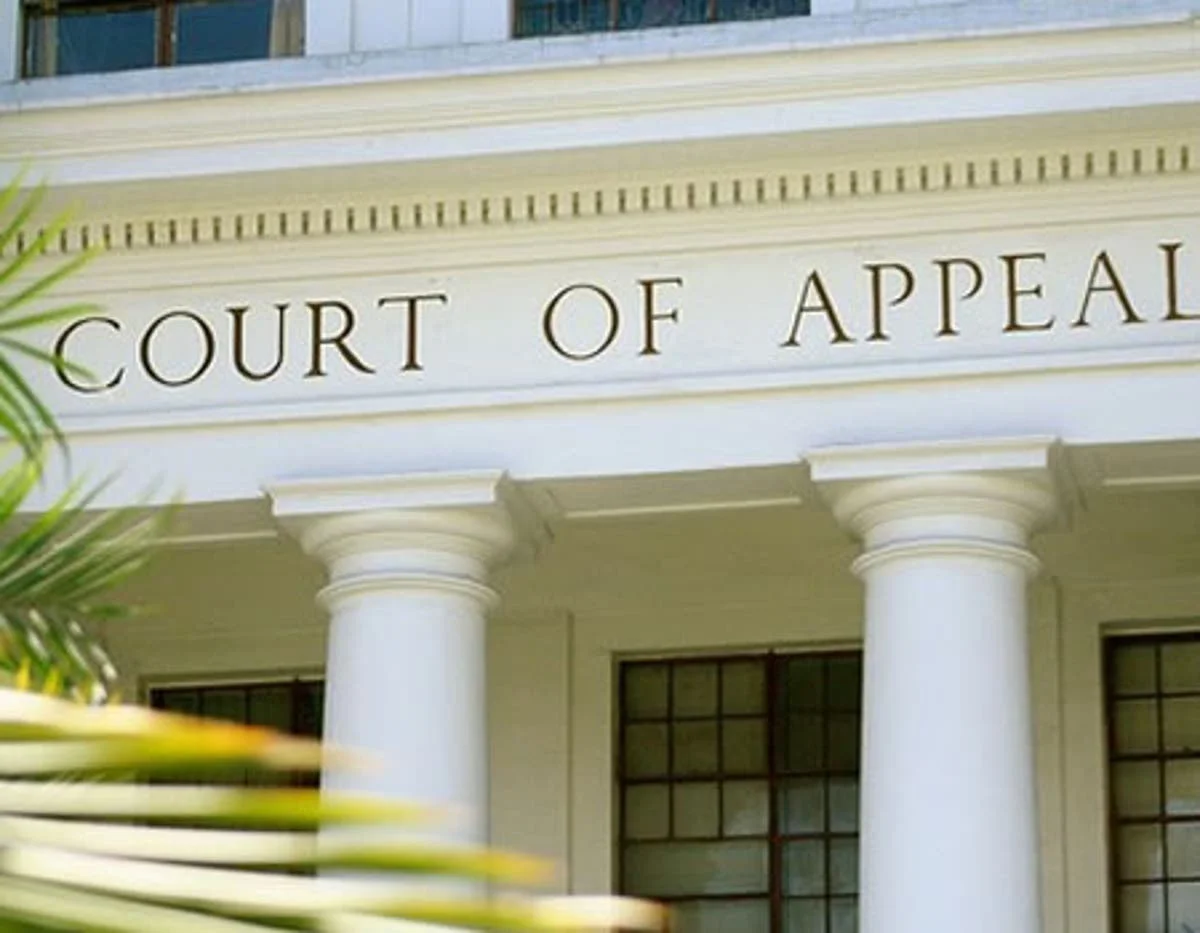
Justices of the Court of Appeal have converged in Lagos for a sensitisation seminar aimed at improving judicial capacity in handling bank liquidation cases, protecting depositors, and addressing emerging challenges in financial sector litigation in Nigeria.
The seminar, themed “Enhancing the Efficacy of Bank Liquidation and Depositors’ Protection,” was jointly organised by the Nigeria Deposit Insurance Corporation and the National Judicial Institute.
Participants emphasised the judiciary’s crucial role—especially the Court of Appeal—in resolving banking disputes, developing financial law, and maintaining public trust in the country’s banking system.
Declaring the seminar open, the Administrator of the NJI, Justice Babatunde Adejumo, said the programme was designed to strengthen collaboration and deepen understanding between judicial officers and financial regulators.
He noted that the stability of the banking sector is vital to national economic health, stressing that public confidence is the foundation on which financial institutions operate.
According to him, when banks face distress or collapse, the effects are usually widespread, impacting depositors, creditors, businesses, and overall economic stability.
He explained that liquidation processes often involve complex legal issues such as creditor ranking, depositor repayment, statutory authority, and asset recovery procedures.
The Managing Director and Chief Executive Officer of the NDIC, Thompson Oludare Sunday, represented by the Executive Director of Corporate Services, Emily Osuji, also addressed the gathering.
He said successful bank liquidation depends heavily on consistent, timely, and well-informed judicial decisions.
Sunday observed that bank failure cases in Nigeria have become more complicated due to concealed assets, weak collateral structures, competing claims, and increasingly sophisticated financial transactions.
He added that the NDIC frequently deals with disputes involving depositors, creditors, former staff, and other stakeholders over entitlements and asset recovery processes.
He warned that prolonged litigation could delay resolution processes and weaken public confidence in the financial system.
Sunday further called for continuous engagement between regulators and the judiciary, noting that evolving financial practices require stronger legal interpretation and coordination.
He expressed optimism that better judicial understanding would reduce conflicting rulings, speed up liquidation processes, and strengthen trust in Nigeria’s financial system.
He also referenced global standards from the Basel Committee on Banking Supervision and the International Association of Deposit Insurers, which emphasise the importance of efficient legal frameworks and independent judiciaries in financial dispute resolution.
Speaking on behalf of the President of the Court of Appeal, Justice Monica Dongban-Mensem, Ali Abubakar Banandi described the seminar as a valuable initiative that strengthens institutional collaboration in financial litigation.
He noted that previous engagements between the judiciary, NDIC, and NJI have improved judicial performance in banking and commercial dispute resolution, commending the quality of discussions at the seminar.


 Chidiogo asuke