Chisom Orjiogbu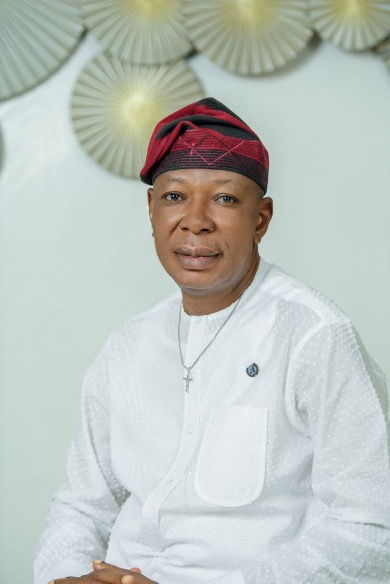
An Idoma elder and political figure, Dickson Akoh, has criticised the practice of inducement politics in Benue, particularly in the Benue South region, saying that sharing food items like rice and salt with voters should not be mistaken for genuine democratic governance.
In a statement titled “The 2027 Mandates: Rejecting the Consultation Paradox in Benue South and the Failure of the Democratic Contract,” Akoh urged voters to reject transactional politics as the country moves closer to the 2027 Nigerian general elections.
According to him, effective representation should go beyond short-term empowerment initiatives such as distributing food items or farm inputs. He described such actions as temporary measures that often hide deeper governance problems while keeping citizens dependent on politicians.
Akoh referred to the trend as what he called the “Consultation Paradox,” explaining that many politicians only engage with the electorate during election seasons but fail to maintain contact after winning office.
He said many political interactions are largely transactional rather than built on genuine relationships, noting that such engagements often occur only to secure votes without any structure for accountability once elections are over.
The elder statesman added that these practices have weakened the political strength of the Benue South region, particularly among the Idoma people, and have contributed to continued underdevelopment and marginalisation.
He called on voters to rethink what should truly count as the benefits of democracy, urging them to focus on measurable development such as good road networks, quality healthcare services, improved education, stable electricity supply, and better security.
Akoh also warned residents to be cautious of political aspirants who only appear during election periods without a history of serving the people.
According to him, genuine leadership requires consistent engagement with the community over time, not just temporary appearances during campaigns.
As the 2027 elections approach, he appealed to voters in Benue South to put aside party divisions and instead prioritise candidates with proven competence, integrity, and a strong record of service.
He stressed that the elections should represent an opportunity for the people to demand accountability and move away from superficial political practices.
Akoh further suggested that political leaders should be evaluated using clear standards such as their legislative performance, transparency in handling constituency projects, and how regularly they interact with the people they represent.
He also called on Idoma leaders and stakeholders to set aside personal disagreements and work together in the interest of regional development, warning that internal divisions could hinder progress.
Finally, he encouraged residents of Benue South to take an active role in shaping their political future by asking critical questions and insisting on credible leadership ahead of the 2027 elections.

 Ifejika joyce
 Chidiogo asuke