Precious Chukwuwa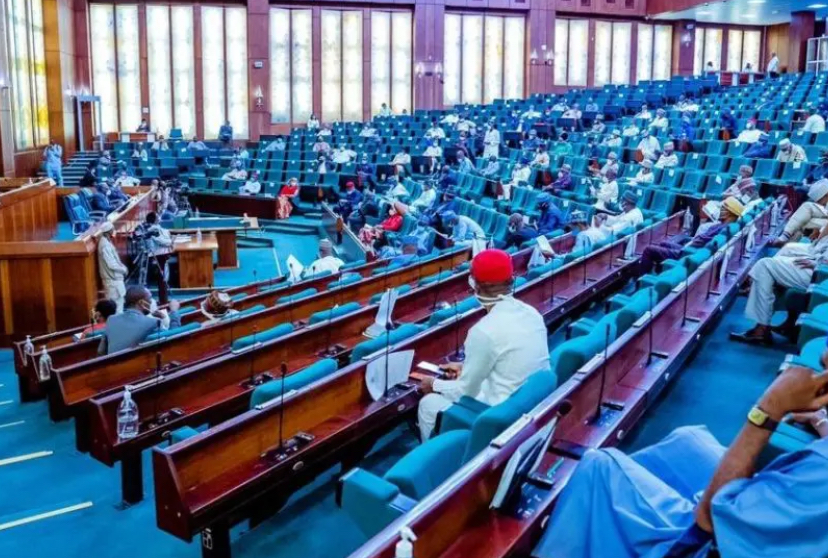
The House of Representatives has disclosed that more than 1.6 million Nigerians have benefited from the Nigerian Education Loan Fund (NELFUND), describing the student loan scheme as one of the landmark achievements of the 10th National Assembly.
The House Spokesman, Akin Rotimi, made this known on Monday during a media briefing in Abuja to mark the conclusion of the third legislative session of the 10th House of Representatives.
According to Rotimi, the student loan programme, established through legislation initiated by the House, has significantly expanded access to higher education across the country.
“Many of the bills passed by the House are already producing measurable results,” he said.
He noted that more than 1.6 million Nigerians have benefited from the scheme, with over ₦303 billion disbursed through NELFUND to support students pursuing higher education.
Rotimi said the success of the initiative demonstrates the House’s commitment to passing laws that have a direct and positive impact on the lives of Nigerians rather than simply increasing the volume of legislation.
He also explained that the gap between the number of bills introduced and those eventually passed was largely due to the consolidation of similar proposals sponsored by different lawmakers into single pieces of legislation.
According to him, more than 300 constitutional amendment bills have also been introduced and are currently at various stages of legislative consideration.
“We’ve covered a lot of ground, but there is still a lot more to do. We are reviewing our legislative agenda internally to ensure that key promises made to Nigerians are delivered before the end of this Assembly,” Rotimi said.
Also speaking, Chairman of the House Committee on Rules and Business, Francis Waive, presented the House’s three-year legislative scorecard.
He revealed that lawmakers introduced 2,747 bills between June 2023 and the end of the third legislative session. The figure comprises 57 executive bills, 95 Senate concurrence bills and 2,595 private member bills, while a total of 363 bills were passed during the period.
Waive said the House passed 89 bills in its first legislative session, 148 in the second session and 126 during the just-concluded third session.
He also dismissed allegations that lawmakers pay to have bills listed for consideration, insisting that the legislative process remains transparent and operates in accordance with constitutional provisions.


 Chidiogo asuke