Precious Chukwuwa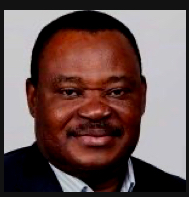
Nigeria has recorded a major diplomatic milestone following the election of its Permanent Representative to the United Nations, Ambassador Jimoh Ibrahim, as Chairman of the Fifth Committee of the United Nations General Assembly.
The appointment places Nigeria at the helm of one of the UN’s most influential committees, responsible for overseeing the organisation’s administrative and budgetary affairs.
In his acceptance speech, Ibrahim described his election as both an honour and a significant responsibility, pledging to lead the committee with transparency, inclusiveness and a commitment to consensus-building.
The Fifth Committee plays a central role in the operations of the United Nations, overseeing budget approvals, administrative policies and the allocation of resources required to implement the organisation’s programmes and mandates worldwide.
Expressing gratitude to member states for the confidence reposed in him, Ibrahim promised to work closely with regional groups, committee officers and the UN Secretariat to ensure the effective management of the committee’s responsibilities.
His election comes at a time when the United Nations is facing mounting financial pressures, institutional reform demands and increasingly complex global challenges.
Addressing delegates, the Nigerian diplomat acknowledged the organisation’s financial difficulties, noting that delayed contributions by some member states have contributed to significant budgetary shortfalls.
He urged countries to fulfil their financial obligations promptly, stressing that the effectiveness and sustainability of the UN depend on adequate and predictable funding.
“The challenges before us require collective responsibility and decisive action,” Ibrahim stated, emphasizing the need for prudent resource management to sustain the organisation’s global impact.
He also highlighted the importance of the ongoing UN reform agenda, describing it as a vital opportunity to enhance efficiency, accountability and institutional effectiveness across the organisation.
Beyond financial matters, Ibrahim identified geopolitical tensions, economic uncertainty, poverty, insecurity and rapid technological advancements as pressing global issues requiring coordinated international responses.
According to him, innovation, effective leadership and knowledge-driven policies will be critical to addressing these challenges and advancing sustainable development worldwide.
A central theme of his address was the need for consensus-building among the UN’s 193 member states. He pledged to promote dialogue and cooperation while ensuring that diverse perspectives are reflected in the committee’s deliberations and decisions.
Drawing on his experience in Nigeria’s National Assembly, particularly in budget oversight and inter-parliamentary engagements, Ibrahim expressed confidence in his ability to foster broad agreement on critical issues before the committee.
Observers have described his election as a significant diplomatic achievement for Nigeria, reflecting the country’s growing influence within multilateral institutions and its continued commitment to active participation in global governance.
As Chairman of the Fifth Committee, Ibrahim is expected to play a key role in shaping discussions on budget reforms, financial sustainability and administrative efficiency at a time when the United Nations faces increasing demands to deliver results across multiple global fronts.


 Chidiogo asuke