Ifejika joyce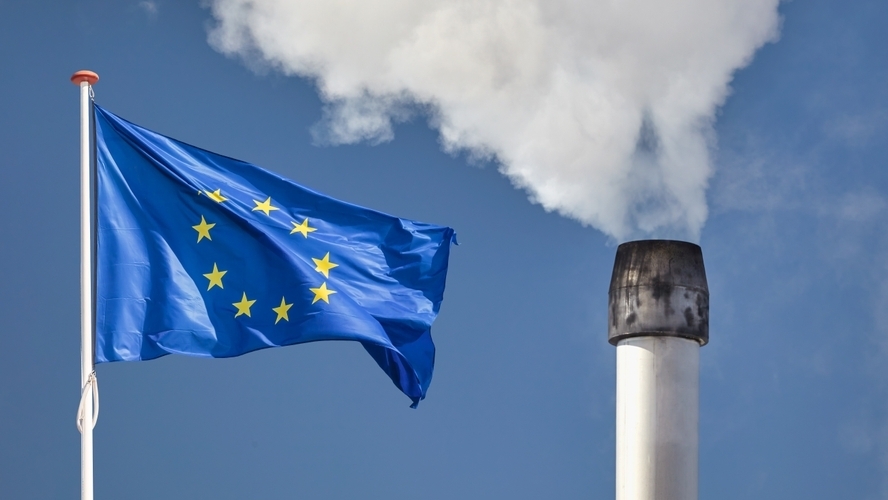
The European Union has proposed changes to its flagship carbon market in a bid to reduce price volatility, as pressure mounts from member states and industry over rising energy costs.
The European Commission on Wednesday, April 1, outlined adjustments to the Emissions Trading System (ETS), the bloc’s key mechanism for cutting greenhouse gas emissions, ahead of a broader review expected later this year.
The ETS, introduced in 2005, requires major polluters to pay for their emissions by purchasing allowances, which are limited in number, auctioned, and traded on the market. Under the proposed changes, the Commission said it would make more allowances available in the future if demand surges and drives prices sharply higher, aiming to stabilise the market.
For much of the system’s history, supply has exceeded demand, resulting in a surplus of permits. Some of these allowances have been placed in a reserve, while others have been permanently removed from circulation.
However, anticipating a shift as the total number of permits declines over time, the Commission proposed that all unsold allowances be retained as a “buffer” rather than invalidated. The change would enable the EU to respond more effectively “to future market developments, including potential tightness in supply in the coming decades,” the Commission said.
The proposal follows comments by European Commission President Ursula von der Leyen, who earlier this month pledged updates to the ETS, including “a more realistic trajectory” for emissions reductions and the possible extension of “free emission allowances” beyond 2035, rather than phasing them out entirely by 2034.
The ETS has faced growing criticism from parts of European industry, which argue that the system contributes to high energy costs, particularly for gas-fired power plants that must purchase allowances to cover their emissions.
Concerns have intensified in recent months as geopolitical tensions, including the Iran war, have pushed energy prices higher. A wider review of the ETS is expected later this year as policymakers weigh how to balance climate targets with economic competitiveness.


 Chidiogo asuke