Ugamatv
Former Bayelsa State Governor, Senator Seriake Dickson, has criticized President Bola Tinubu’s recent visit to Benue State, stating that the president’s actions and declarations do not reflect the gravity of the crisis plaguing the region.
President Tinubu was in Makurdi, the Benue State capital, on Wednesday for a scheduled visit following a series of brutal attacks by suspected Fulani herdsmen, including the recent massacre in Yelwata, Guma Local Government Area, which claimed over 150 lives.
While the president met with state officials and security chiefs and issued directives during a town hall meeting, Dickson believes the federal response was too soft and fell short of what the situation demands.
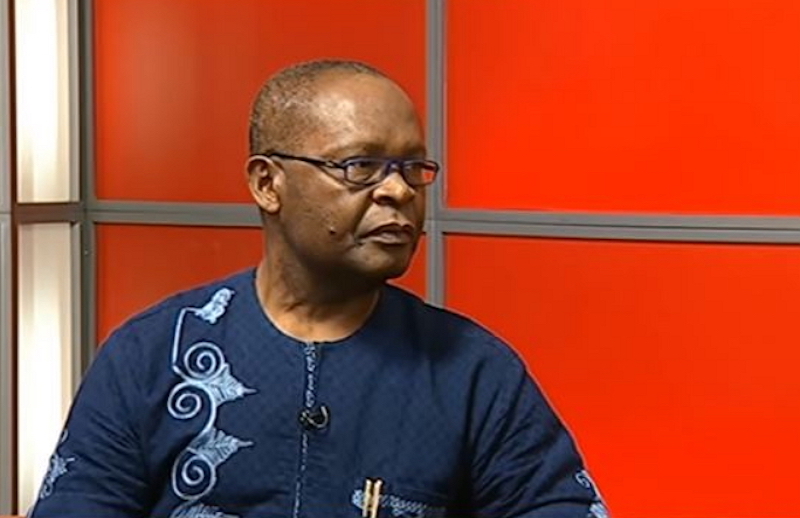
Speaking in an interview on Arise News, Dickson said:
- “What has been going on in Benue, Plateau, and other places is a collective assault—an assault on the collective psyche of Nigerians. It’s not merely a conflict; it borders on genocide.”
Although he commended the president for visiting the state, Dickson noted that the government’s posture and policy pronouncements lacked the urgency and firmness the crisis requires.
“The President’s visit was long overdue. Still, the statements made weren’t forceful enough. This is not a matter for reconciliation—it is outright criminality.”
The senator also referenced a widely circulated image of a woman and her child, the latter with a severed arm, as a symbolic expression of public disillusionment with the government’s handling of the crisis.
“That image of the woman looking away in protest speaks volumes about the people’s sense of abandonment. The killings continue—200 today, maybe 300 tomorrow. It’s heartbreaking.”
Dickson acknowledged the presence of security forces in the region but questioned the depth and effectiveness of their operations.
“Yes, security personnel are deployed, but is it far-reaching? Is it preventive? Clearly, these measures come after the fact.”
He concluded with a broader indictment of the state’s capacity to handle the crisis, warning that Nigeria’s institutions are unprepared for the scale and brutality of the violence.
“This is not just about the current administration. The Nigerian state, as it stands, appears incapable of addressing the kind of violence citizens are being subjected to.”


 Chidiogo asuke