Precious Chukwuwa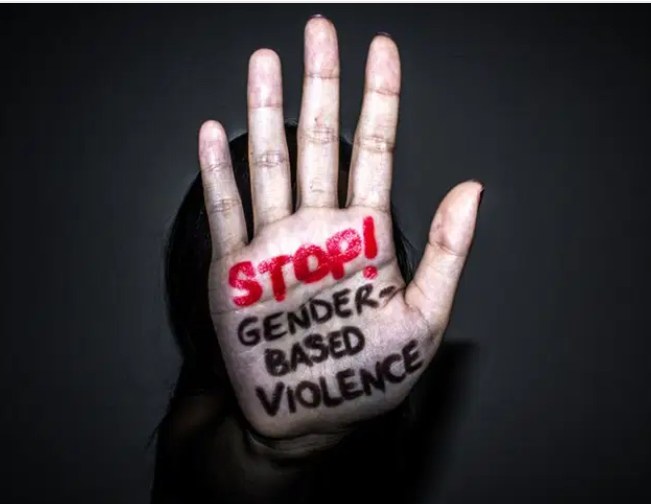
A recent national campus climate survey on sexual harassment in Nigeria’s tertiary institutions has revealed alarming levels of gender-based violence among students and staff.
Speaking at a media briefing to mark International Women’s Day 2026 held at Lagos State University, Ojo, Acting Director of the Centre for Response and Prevention of Sexual and Gender-Based Violence (CRPSGBV), Igot Ofem, disclosed that 70 percent of female students and 30 percent of male students have experienced at least one form of gender-based violence on campus.
The survey, conducted by the Committee of Gender Studies Directors in Nigerian Universities in collaboration with Alliance for Africa, covered 12 universities across the country, including six federal and six state-owned institutions representing all six geopolitical zones.
According to Prof. Ofem, the research examined various forms of abuse such as sexual harassment, dating violence, and other misconduct, while also assessing institutional responses and available support systems.
Findings further showed that 63 percent of female staff and 37 percent of male staff have also experienced gender-based violence. The most common cases involve sexual misconduct, including unwanted touching, inappropriate remarks, verbal abuse, and stalking, affecting over 42 percent of respondents.
The report also highlighted troubling practices within institutions, including the transfer of students, loss of academic privileges, and coercion into sexual relationships in exchange for academic benefits. Many victims, it noted, remain silent due to lack of trust in reporting systems.
The study urged universities nationwide to establish independent response units, strengthen policies, and introduce confidential reporting channels to better protect victims.
Prof. Ofem commended the Vice Chancellor of Lagos State University, Ibiyemi Olatunji-Bello, for taking proactive steps in addressing the issue. She noted that LASU has established a dedicated GBV response centre, incorporated related information into its student handbook, and introduced gender-based violence prevention as part of its General Nigerian Studies curriculum.
In a statement delivered on her behalf, Prof. Olatunji-Bello emphasized the importance of safeguarding the rights and dignity of women and girls. She stressed that justice must go beyond legal frameworks to creating safe spaces where survivors feel heard and supported.
She added that protecting the rights of women and girls is a collective responsibility, urging individuals and institutions alike to take deliberate action in addressing and preventing abuse within the academic environment.


 Chidiogo asuke