Precious Chukwuwa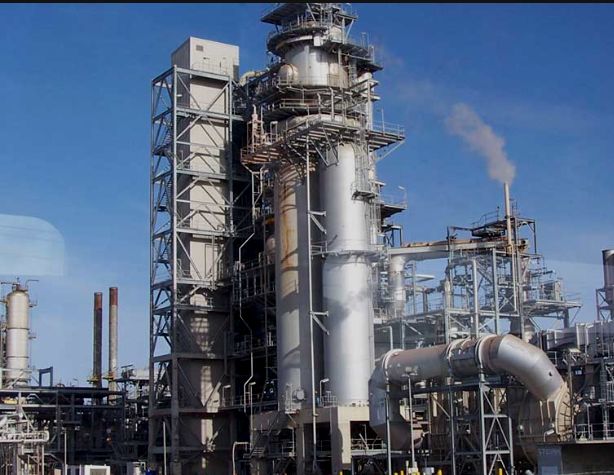
Nigeria has returned to high levels of petrol importation, with fuel imports rising to their highest point in four months in May, underscoring the country’s continued reliance on foreign supplies to meet domestic demand.
According to market intelligence firm Argus Media, petrol imports averaged 57,000 barrels per day in May, while exports stood at 23,000 barrels per day. The surge reversed Nigeria’s net export status recorded in March and April, when local production exceeded imports.
Industry data attributed the increase largely to maintenance work at the 700,000-barrels-per-day Dangote Refinery in Lekki. The refinery’s Residual Fluid Catalytic Cracker (RFCC) — a key unit responsible for gasoline production — underwent scheduled maintenance during the month, reducing output and creating a supply gap that necessitated additional imports.
As a result, marketers and refiners sourced more petrol from Europe, which met Nigeria’s entire import requirement in May. Norway emerged as the leading supplier, followed by Italy and France.
The data further revealed that both the Nigerian National Petroleum Company Limited (NNPC) and Dangote Refinery imported petrol during the period. NNPC brought in approximately 11,000 barrels per day, while Dangote accounted for about 27,000 barrels per day, placing the refinery in the unusual position of being both Nigeria’s largest producer and one of its biggest importers of petrol.
The rise in imports followed the approval of substantial second-quarter import allocations by the Nigerian Midstream and Downstream Petroleum Regulatory Authority (NMDPRA). Independent marketers, including AA Rano, AYM Shafa, Bono, Matrix, NIPCO and Pinnacle, also received permits to import petroleum products to bolster domestic supply.
Despite the temporary disruption, operations at the Lekki refinery continued, with significant volumes of blending materials and feedstock delivered to sustain production activities.